- Homepage
- Eco-friendly homes
- How to start beekeeping
- Homemade Meads Beers and Braggots
Homemade meads, beers and braggots
Homemade meads, beers and braggots may possibly enable us to enjoy alcohol without the strong association with cancer. The friendly yeast cells are thought to protect us; they are an essential part of the microbiome.
Yes it's true; there is strong research confirming that even small amounts of commercial alcohol cause cancer[1]; but the odd thing is that the people in the Blue Zones drink quite large amounts of natural homemade meads, beers and braggots yet live long healthy lives.
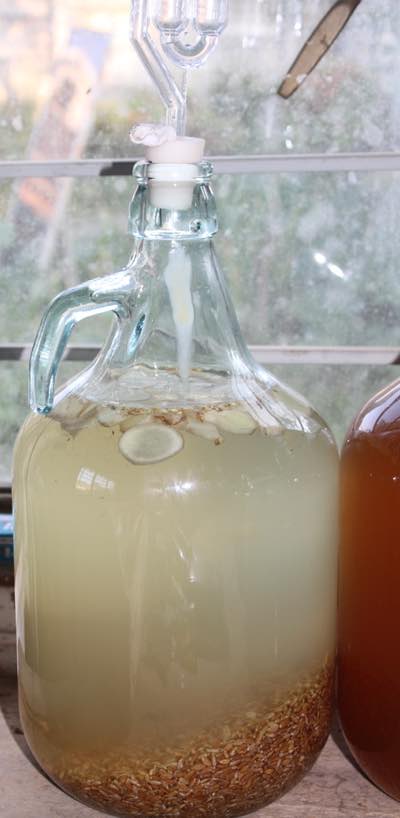 1 gallon wheat beer
Natural honey brings with it at least 80 different phytonutrients found in the nectar and pollen of flowers[2]; little is known about how most of them influence human wellness but there is anecdotal evidence that beekeepers who do not smoke live long and healthier lives.
There is nothing in the world that could beat honey as an aid to defying old age. Keep bees and eat the nectar of the gods if you want to live long.
Beekeepers live longer than anybody else.
- Prof John Anderson, University of Aberdeen, Scotland
Well that used to be the case; those enjoying today's "industrial diet" from which much of the goodness has been extracted and to which toxic chemicals have been added are also prone to all the degenerative diseases that characterise modern civilisation.
Truth be told there is little civilised about our typical grocery store food today; over 80% of what is found on the shelves is ultraprocessed.
One could well argue too that these homemade meads, beers and braggots are also ultra-processed honey.
This rose petal honey mead is one of my favourites.
Meads
This introduction to brewing mead will give you some idea of what you are letting yourself in for. There are some basics to learn otherwise you end up with expensive vinegar.
It shall take a good deal longer than popping into the liquor store for a couple bottles of wine but it will taste far better, not give you the constant worry that commercial alcohol causes cancer[1] and it's also a wholesome natural probiotic; it is teaming with friendly yeast cells.
Terms like natural vs organic wine and mead are confusing; we try to define them more accurately.
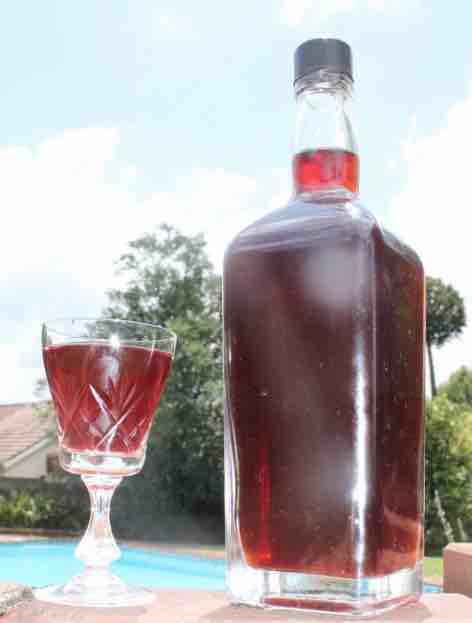 Mulberry honey mead
Homemade meads are made with natural honey that is unprocessed, often with added fruit or even rhizomes like turmeric; then for the purist they are named melomels or iMpandamels, meaning from a root.
Commercial meads are often made with sugarcane honey because it is cheap; we are less certain about them being exempt from the association between alcohol and cancer.
True "organic" honey doesn't exist because you never know where your bees have been collecting nectar and pollen but from hives in villages and towns there are measurably less ecocides in comparison with those from agricultural lands.
And if you know where your honey, fruit and roots come from then one realistically can claim that your meads are as close to organic as is possible.
Knowledge and access to the basic mead equipment is essential; it's certainly not cheap but far less than the cost of the cancer treatment that is associated with commercial alcohol.
- All-hive mead
- Butternut honey mead recipe
- Catawba grape honey mead
- Cherry-guava honey mead
- Guava honey mead
- Mulberry honey mead
- Rose petal honey mead
Keep your own bees
So if you desire to enjoy alcohol that does not have all the serious negative connotations then keep your own bees, grow your own organic fruits and roots for meads, beers and braggots that are close to organic.
The material expressed on this page is gleaned from the nutritional and environmental literature; it is clearly referenced. A plain distinction is made between the author's opinion and that which is scientifically proven. When in doubt consult your health professional.
To suggest a correction or clarification, write to Dr Bernard Preston here. Contact.
Homemade beers
There are three sources of ecocides in commercial alcohol; the herbicides sprayed on the ground to kill weeds, fungicides used on the fruit and preservatives like sulphites that are added to virtually all wines and beers.
With homemade beers it gets more difficult. One can exclude the sulphites added to the final product to stop them going sour but avoiding the ecocides used to grow the barley, sugar and hops for example is well nigh impossible.
Roundup is used for weed control of sugarcane but barley and hops growers apply it very sparingly or not at all, spraying it where possible away from the plants; yet it remains in the ground for many years.
Nevertheless your homemade beers, because they are active probiotics are a far cry from that produced by commercial breweries.
Using natural honey instead of sugar that truly is grown without many toxic sprays is the next step towards what can realistic be called "organic." It's named a braggot, the drink that made Chaucer famous.
Homemade braggots
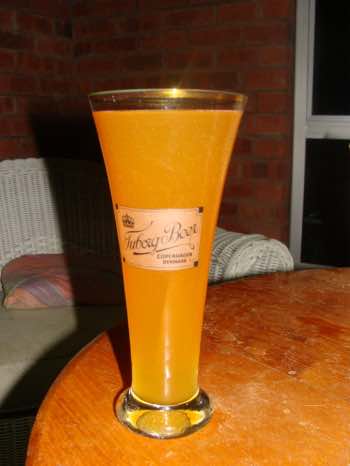
A homemade braggot is made from barley, hops and honey; it really is a subspecies of beer. The sweetening is what makes the difference.
Honey brings to the braggot many extra plant nutrients from the nectar and pollen collected from the flowers; and far less of the ecocides associated with sugar, especially if it is harvested from hives far from agricultural lands as in towns, villages and even cities.
A braggot made with fine honey really is a terrific drink. What eventually put me off is the significantly larger amount of schlep associate washing, sterilising and capping of the bottles.
Despite that I was a brewer of fine braggots for many years before I personally turned to mead instead; it is significantly easier and has less of the ecocides.
This honey brown beer remains a favourite when I have the extra time and energy.
The skills learned from beer hydrometer readings were readily transferred to mead making.
Making honey beer is something similar.
Homemade meads, beers and braggots
Homemade meads, beers and braggots are rich probiotics. Nevertheless we should never discount that all forms of alcohol make fine servants but very bad masters.
And it certainly cannot be claimed with certainty that the alcohol even in homemade meads, beers and braggots does not also cause cancer.
How much alcohol causes cancer? It's mind blowing.
The scientific literature is filled with research showing that tobacco, obesity and alcohol are three preventable causes of cancer.
That little trio in fact is probably the most easily preventable causes of cancer; we are hopeful but there is no proof that homemade meads, beers and braggots are the exceptions that prove the rule.
Let's never forget it. Beer makes a good servant but a very bad master; a short story.
From the journals
When browsing use right click and "Open Link in New Tab" or you may get a bad gateway signal.
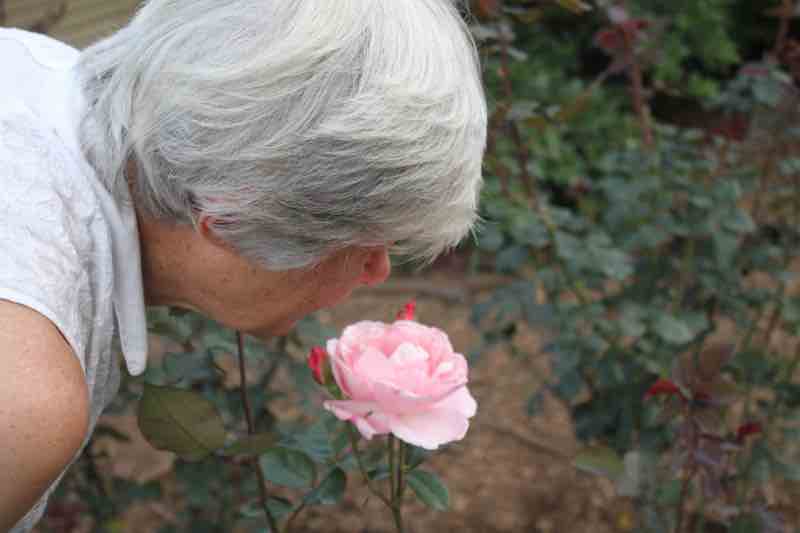 Take time to smell the roses; and turn the petals into mead.
Rose petal honey mead is divine by the way.
Newsletter
Our newsletter is entitled "create a cyan zone" at your home, preserving both yourself and Mother Earth for future generations; and the family too, of course. We promise not to spam you with daily emails promoting various products. You may get an occasional nudge to buy one of my books.
Here are the back issues.
- Lifestyle and ideal body weight
- What are ultra-processed foods?
- Investing in long-term health
- Diseases from plastic exposure
- Intensive lifestyle management for obesity has limited value
- A world largely devoid of Parkinson's Disease
- The impact of friendly bacteria in the tum on the prevention of cancer
- There's a hole in the bucket
- Everyone is talking about weight loss drugs
- Pull the sweet tooth
- If you suffer from heartburn plant a susu
- Refined maize meal and stunting
- Should agriculture and industry get priority for water and electricity?
- Nature is calling
- Mill your own flour
- Bake your own sourdough bread
- Microplastics from our water
- Alternative types of water storage
- Wear your clothes out
- Comfort foods
- Create a bee-friendly environment
- Go to bed slightly hungry
- Keep bees
- Blue zone folk are religious
- Reduce plastic waste
- Family is important
- What can go in compost?
- Grow broad beans for longevity
- Harvest and store sunshine
- Blue zone exercise
- Harvest and store your rainwater
- Create a cyan zone at your home
Did you find this page interesting? How about forwarding it to a friendly book or food junkie? Better still, a social media tick would help.
- Homepage
- Eco-friendly homes
- How to start beekeeping
- Homemade Meads Beers and Braggots
Address:
56 Groenekloof Rd,
Hilton, KZN
South Africa
Website:
https://www.bernard-preston.com