- Homepage
- Backyard permaculture
- Is There Any Way to Avoid Glyphosate
Is there any way to avoid glyphosate?
Is there any way to avoid glyphosate? Herbicides are ubiquitous, having been developed to reduce the need for weeding. They are intrinsic to GM seeds which have been genetically modified so that they are not affected by the chemical; so-called "Roundup Ready Maize," for example.
Glyphosate is marketed under the trade name, Roundup. It is also used as a plant desiccant; for example, it is often sprayed onto the potato haulm a few days before harvesting.
It is not exaggeration to state that glyphosate has utterly changed agriculture, probably for ever. Prior to herbicides like Roundup, crops had to be mechanically weeded. In Third World countries that would have been done by a team of indigent people with hoes; in fact it still is in many places.
This has dramatically kept the prices of food down but equally created unemployment amongst formerly unskilled workers.
So what's the beef? Why are we suggesting a need to avoid glyphosate?
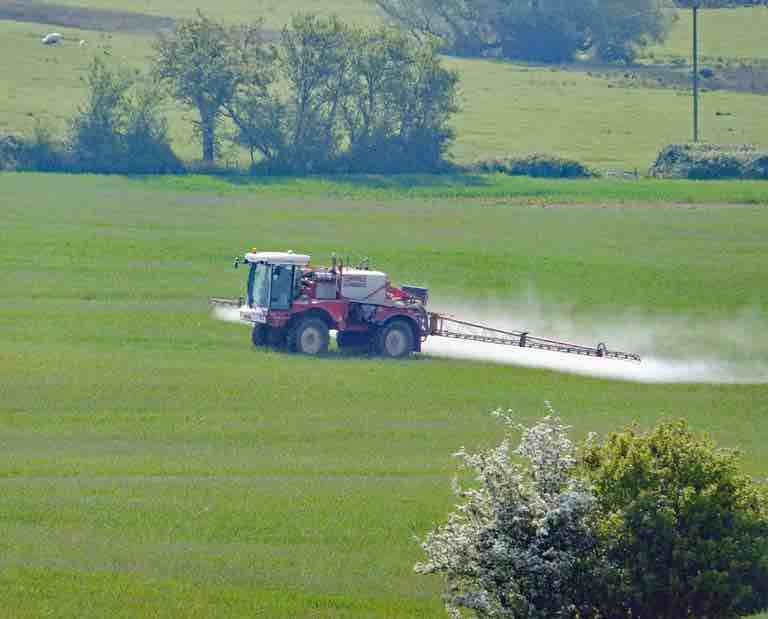
This photo was taken from a close friend's bedroom window; he has twice very nearly succumbed to lymphomas. Medical science did something miraculous but he also turned his lifestyle upside down and leaves home when he sees the crop sprayer coming.
A story
Lyuda, a woman of around 60, stands in the small field behind her house. She pushes the dry soil aside with a shovel and collects potatoes for dinner. Her plan is to cook young spuds with bacon, sour cream and dill. Here she also grows corn, cucumbers and carrots; beets, onions and garlic too. She wipes the sweat from her forehead[1].
Read Lyuda's story.
The science behind the toxicity of glyphosate
There are definitely two hard core groups of scientists for and against the assertion that glyphosate is a Group 2A chemical.
Group 2A:
"Probably carcinogenic to humans;" there is strong evidence that it can cause cancer in humans but at present it is not conclusive.
The material expressed on this page is gleaned from the nutritional and environmental literature; it is clearly referenced. A plain distinction is made between the author's opinion and that which is scientifically proven. When in doubt consult your health professional.
To suggest a correction or clarification, write to Dr Bernard Preston here. Contact.
I will leave it to you to read the conflicting opinions that are freely available on the internet[2]. There is no consensus.
Part of the debate and this I believe to be absurd, is whether Roundup itself is carcinogenic or only when used in combination with a surfactant; the evidence against glyphosate in the latter instance is much stronger.
In practice Roundup is always used with a surfactant.
For myself I would simply state that I am unsure and that each of us should make up our own minds. I believe there to be sufficient concern for me to avoid foods known to be exposed to glyphosate whenever I have the option.
Does Glyphosate Affect the Human Microbiota?
The evidence that glyphosate is safe for humans is pillared on the absence of the enzyme in animals that the herbicide targets.
However that is not true of many microbes; Roundup targets the "shikimate metabolic pathway."
Researchers have found at least a half of the friendly bugs in the gut are negatively affected by glyphosate, in particular the Lactobacillus and Bifidobacterium species, opening possibilities for opportunistic pathogens[3].
However researchers admit that further studies are needed to nail down just how bad these herbicides are for the friendly flora in our intestines and what effect that could have on human wellness.
Much work remains to be done to make final conclusions but for many concerned people there is sufficient smoke to suggest there is a very dangerous fire smouldering somewhere.
Is there any way to avoid glyphosate?
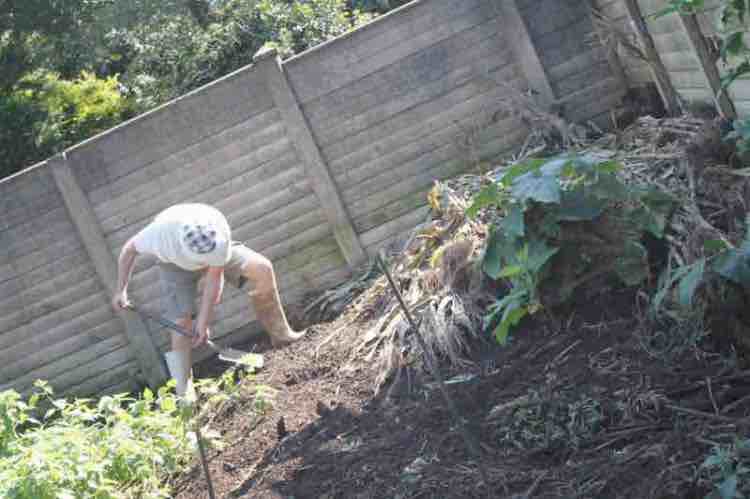
Is there any way to avoid glyphosate? It's marketed as Roundup.
Roundup is everywhere and residues certainly remain in the crops on which it is used. The only way to avoid glyphosate is to start growing your own food. That we should be doing anyway if we love freshly-picked fruits and vegetables; and believe the two to one rule. For every hour we spend growing and preparing our own meals we will save at least double that consulting doctors and pharmacists.
It's about a whole different lifestyle; where we start to take responsibility for our own welfare. We look to gardening rather than the gym for weight training; the backyard is where much of our tasty food is to be found.
Genetically modified foods
Soybeans, canola and maize are the three biggest crops that have been genetically modified so that fields can be sprayed to destroy only the vegetation that might interfere with the primary food that has been planted.
Genetically modified seeds that are unaffected by glyphosate remain controversial and each of us has to make up our own minds.
An anecdote
A local farmer was fed up with the price of GM maize so under a circular pivot he planted half to genetically modified seed and the other to an old heirloom that was much cheaper.
He treated both halves in exactly the same way, wanting to see if the promised increased yield from the GM seeds warranted the extra cost.
Both halves were looking beautiful but just before reaping, his own cows broke down the fence and charged into the maize; by morning massive damage was done to one of the halves. Can you guess which was untouched?
Perhaps cattle have more sense than humans who regardless simply eat whatever is put in front of them.

Having said that, maize is notoriously low in one essential amino acid; high lysine mealies are beneficial to both humans and animals who rely on this wonderful grain for their food.
In short these are complex questions and when the scientists are in disagreement we plebs have to follow our own instincts.
One thing is sure
Is there any way to avoid glyphosate? It's a nice little esoteric thought to contemplate far from the fields where these crops are grown but behind it we can expect a doubling of many food prices; still a lot cheaper than paying for cancer treatment, the nays would say. Yes, I am one of them.
So I have trained myself not to resent the time spent on my hands and knees weeding; and hoeing. In fact it's become a precious, a treasured escape from the wearying world.
Spinach ranks highest amongst toxic sprays
Greens like spinach, kale and broccoli are arguably amongst the most important foods to grow in the backyard. The bugs too know how nutritious they are; so do the hens.
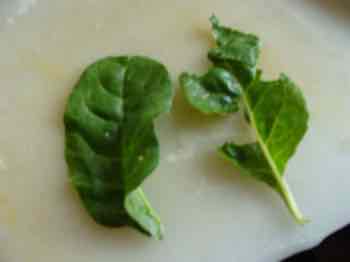
Consequently spinach ranks right at the top of the most sprayed vegetables list. Strawberries carry the banner amongst the fruits.
We simply cannot avoid glyphosate and many other pesticides unless we make a determined effort to grow much of our own food.
From the journals
When browsing use right click and "Open Link in New Tab" or you may get a bad gateway signal.
Newsletter
Our newsletter is entitled "create a cyan zone" at your home, preserving both yourself and Mother Earth for future generations; and the family too, of course. We promise not to spam you with daily emails promoting various products. You may get an occasional nudge to buy one of my books.
Here are the back issues.
- Lifestyle and ideal body weight
- What are ultra-processed foods?
- Investing in long-term health
- Diseases from plastic exposure
- Intensive lifestyle management for obesity has limited value
- A world largely devoid of Parkinson's Disease
- The impact of friendly bacteria in the tum on the prevention of cancer
- There's a hole in the bucket
- Everyone is talking about weight loss drugs
- Pull the sweet tooth
- If you suffer from heartburn plant a susu
- Refined maize meal and stunting
- Should agriculture and industry get priority for water and electricity?
- Nature is calling
- Mill your own flour
- Bake your own sourdough bread
- Microplastics from our water
- Alternative types of water storage
- Wear your clothes out
- Comfort foods
- Create a bee-friendly environment
- Go to bed slightly hungry
- Keep bees
- Blue zone folk are religious
- Reduce plastic waste
- Family is important
- What can go in compost?
- Grow broad beans for longevity
- Harvest and store sunshine
- Blue zone exercise
- Harvest and store your rainwater
- Create a cyan zone at your home
Did you find this page interesting? How about forwarding it to a friendly book or food junkie? Better still, a social media tick would help.
- Homepage
- Backyard permaculture
- Is There Any Way to Avoid Glyphosate
Address:
56 Groenekloof Rd,
Hilton, KZN
South Africa
Website:
https://www.bernard-preston.com