- Homepage
- Wheat bread
- Special plant nutrients in wheat
Special plant nutrients in wheat
Special plant nutrients in wheat are embedded in the grain enabling the body to digest the food, give protection against serious disease and feed the microbiome. We are talking here about those phytochemicals over and above the carbohydrate, protein and fat.
There are a great many of these important plant nutrients so obviously we can only take a brief look at those that are considered more important. It would take several books to cover all the vitamins, minerals and phytochemicals in detail.

Vitamin E
I begin with vitamin E perhaps because that is where my journey with wheat began nearly fifty years ago. Attending a lecture by a world renowned cardiologist it was deeply imprinted on me when he stated that prior to the commercial milling of flour around 1870, heart attacks were almost unknown. Today they are the leading killer of human beings.
Vitamin E dosage is difficult to define because this is a family of 8 different plant nutrients.
Embedded in the germ and bran of wheat and other seeds, is where alpha-tocopherol is located; it is nature's chief anticoagulant. It stops clots from forming unnecessarily in the blood.
Once we began to extract the germ and bran where the alpha-tocopherol is found, sudden death from heart attacks and strokes began to soar.
Vitamin E is in fact a family of 8 compounds; they have diverse functions and are located in disparate foods. Only two are well-researched; the alpha and gamma forms of the tocopherol.
They compete with each other for absorption so taking a large supplementary amount of alpha-tocopherol as found in wheat germ oil will inhibit the gamma form which gives protection against prostated cancer.
Clinicians were dismayed when they found that prescribing alpha-tocopherol for their heart patients that the prevalence of cancer in the nether regions began to increase. Nutrition is an extremely complex subject. Get your vitamins from your food remains for ever the best advice.
"Let thy food be thy medicine, and medicine be thy food."
Hippocrates (460 - 370 BC)
Lignans
Not in logical order but as I personally have been moved by the special plant nutrients in wheat, we proceed. Lignans are important phytonutrients located primarily in the bran of seeds but different forms in legumes too; we need both. They prevent cancer.
Everybody thus should be able to give at least a vague answer to the question, "what are lignans?"
Thus it comes as no surprise that the Cancer Association recommends a true wholegrain and legume daily, even at every single meal. No one does that; nor our family, I must confess.
But we certainly make certain that every single day we have a least one helping of a legume and another of a whole grain.
Daily
Common legumes
- Green beans
- Peas
- Chickpeas
- Dried peas and beans
Uncommon whole grains
- True wholegrain wheat flour
- True wholegrain maizemeal
- Corn on the cob
- Brown rice
Less than 2% of those eating typical grocery store food are consuming the RDA of whole grains.
The lignans in the bran of just one slice of true wholemeal bread per day give nearly 50% protection against the two most prominent killers; breast and prostate cancer.
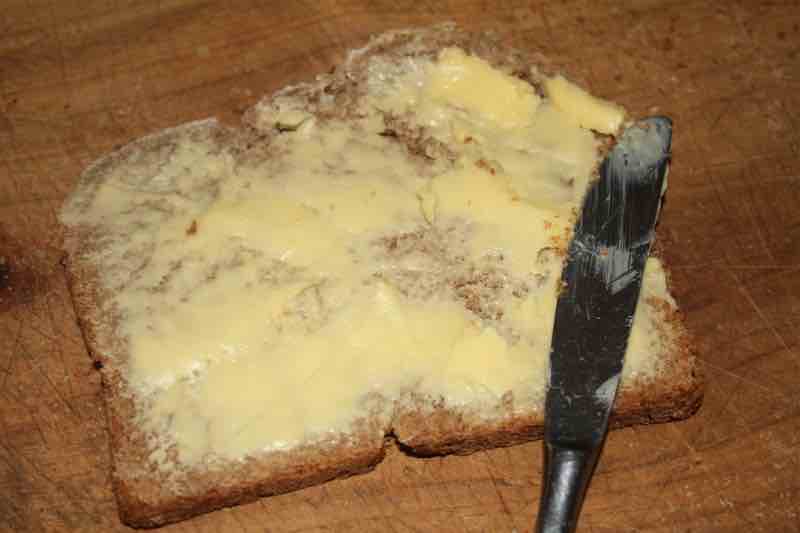 100pc wholegrain bread
 Green beans
Thiamine (Vitamin B1)
Thiamine was the first vitamin every discovered; prior to that doctors thought that all diseases were caused by germs and toxins. It is located in the germ primarily but also the bran of wheat, corn and other grains.
Brown rice is another important source; once millers began to polish rice, tens of millions of people, far more than C-19 died from beriberi.
The discovery of the first vitamin, after observing generalised muscle weakness in patients was incredibly important step. Alas we totally ignore those amazing 4 doctors who discovered thiamine; and complain bitterly that we are in such poor shape. White rice and cake flour should be banned.
And still people eat refined bread and white rice; and wonder why they are suffering from generalised muscle weakness, peripheral neuropathies and obesity.
Without thiamine from our food, the microbiome shifts towards those pathogenic bacteria in the gut that make us fat.
Betaine
Betaine really should be considered a vitamin. We cannot live without it. But it can be formed from dietary choline
The problem is that those deficient in betaine are almost certainly short of dietary choline too.
Betaine is a very important nutrient; deficiencies cause birth defects, serious disease from a rise in homocysteine and liver cirrhosis.
The complete absence of 100 percent real flour from supermarket-shelves is probably the chief reason for a betaine deficiency.
Calcium and Magnesium
The element calcium is vitally important in human wellness and many people are deficient. The problem is that it is still generally thought that it is only a problem of post-menopausal women and the solution is dairy products and supplementation of the elderly with various mineral salts.
There are numerous problems associated with these assumptions. The first is that young women who do not acquire normal bone density by their early 20's are already predetermined to suffer from osteoporosis and disability. The question of calcium needs to be addressed in childhood, not when the damage is already done.
The second problem is that adequate calcium can be obtained from whole foods and not just from dairy products which are still questioned by many because firstly of its cholesterol and secondly its acidifying nature on human metabolism.
The third is that mineral supplementation is strongly associated with deposition in the great vessels, hypertension and heart disease; that includes added synthetic calcium added to commercial bread.
The long and the short of it is that young and old alike need to exercise daily and eat foods rich in calcium. True wholegrain wheat bread contains 13mg of the mineral per slice; and cooked spinach 250 milligrams per cup.
The magnesium from nuts and seeds is located mainly in the bran of wheat, for example. Once refined the minerals are extracted.
The Real Bread Movement was born out of the desire to retain these special plant nutrients in the flour; with no need to "enrich" it again with synthetics after the natural substances were extracted and sent for animal feed.
Fibre
Fibre is an essential nutrient for the friendly bacteria in the gut that do so much for human immunity and wellness; and in particular those that can themselves produce thiamine.
Only 5% of those enjoying typical grocery store food are consuming the recommended dietary allowance of around 35 grams.
Special plant nutrients in wheat
Special plant nutrients in wheat are located chiefly in the bran and germ; once the flour is refined most are lost.
When browsing use right click and "Open Link in New Tab" or you may get a bad gateway signal.
The material expressed on this page is gleaned from the nutritional and environmental literature; it is clearly referenced. A plain distinction is made between the author's opinion and that which is scientifically proven. When in doubt consult your health professional.
To suggest a correction or clarification, write to Dr Bernard Preston here. Contact.
Your second block of text...
Newsletter
Our newsletter is entitled "create a cyan zone" at your home, preserving both yourself and Mother Earth for future generations; and the family too, of course. We promise not to spam you with daily emails promoting various products. You may get an occasional nudge to buy one of my books.
Here are the back issues.
- Lifestyle and ideal body weight
- What are ultra-processed foods?
- Investing in long-term health
- Diseases from plastic exposure
- Intensive lifestyle management for obesity has limited value
- A world largely devoid of Parkinson's Disease
- The impact of friendly bacteria in the tum on the prevention of cancer
- There's a hole in the bucket
- Everyone is talking about weight loss drugs
- Pull the sweet tooth
- If you suffer from heartburn plant a susu
- Refined maize meal and stunting
- Should agriculture and industry get priority for water and electricity?
- Nature is calling
- Mill your own flour
- Bake your own sourdough bread
- Microplastics from our water
- Alternative types of water storage
- Wear your clothes out
- Comfort foods
- Create a bee-friendly environment
- Go to bed slightly hungry
- Keep bees
- Blue zone folk are religious
- Reduce plastic waste
- Family is important
- What can go in compost?
- Grow broad beans for longevity
- Harvest and store sunshine
- Blue zone exercise
- Harvest and store your rainwater
- Create a cyan zone at your home
Did you find this page interesting? How about forwarding it to a friendly book or food junkie? Better still, a social media tick would help.
- Homepage
- Wheat bread
- Special plant nutrients in wheat
Address:
56 Groenekloof Rd,
Hilton, KZN
South Africa
Website:
https://www.bernard-preston.com