- Homepage
- Keep your plate colourful
- Power of Purple Foods
- Broad Beans and Beet Tops Stir-fried With Spices
Broad beans and beet tops stir-fried with spices
Broad beans and beet tops, stir-fried with spices provide two important nutrients called betaine and levodopa; important for those suffering with heart conditions and Parkinson's Disease.
I am a disciple of Hippocrates; let your food be your medicine, said he. Such was his fame that he became known as the Father of Western Healthcare; alas he is today revered but almost totally ignored.
This recipe might be described as avant-garde. It's only likely to appeal to gardeners who have a serious interest in wellness and food that tastes of heaven but is rich in fibre; it's likely to be chewy. Traditional cooks these days focus on meals that slide down the throat like slices of cheesecake and most doctors think that health is irrevocably connected to the pharmaceutical industry.
Alas they don't spend much time reading the research; 70% of those with Parkinson's Disease would be far better off eating broad beans daily than taking the medication[1].
One cup of cooked beet tops provides about 10% of the dietary fibre required by the gut for normal bowel health. Enjoyed daily it would give a very significant sustained drop of diastolic blood pressure of about 4mmHg.
So put your gardening boots on; dig half six beets, pick a dozen broad bean pods and perhaps a fennel bulb should you have one. You will only love this dish if the ingredients are freshly harvested.
Ingredients
- Large bunch of beets including the green tops
- A dozen young broad bean pods
- 1 fennel bulb
- Large handful of chives
- 2 TBSP olive oil + 1 TBSP butter
- 1/2 tsp fennel seeds
- 1/2 tsp freshly-roasted and ground cumin
- 1/4 of a lime, peeled and sliced
- 1/2 tsp salt
- 2 eggs
Go for it
- Cut the leafy stalks from the beets.
- Pressure-cook the beets for 30 minutes; finger off the skins. Set aside.
- Slice the purple beet stems finely.
- Slice the fennel into rounds.
- Pop the broad beans out of their pods; do not skin them.
- Stir-fry the cut leafy stalks, broad beans and fennel for a few minutes in the olive oil and butter.
- Chop the beet leaves and top the mixture. Add 3 TBSP boiling water.
- Add the salt to taste and simmer for a few minutes.
- Add the garlic, chives and spices; continue frying until tender.
- Poach two or more eggs on the mixture.
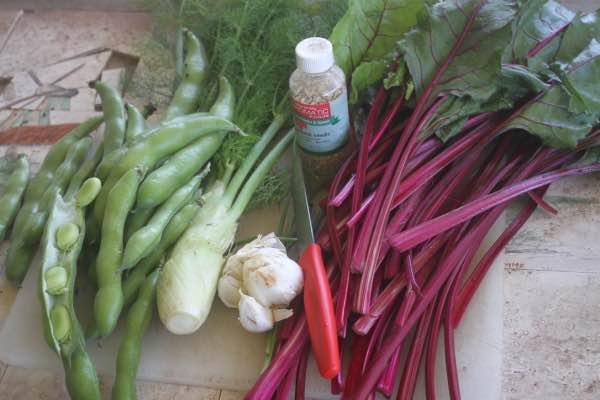
The ingredients for our dishes are totally dependent on what's growing at Our Green Home. Right now we have an abundance of beetroot and broad beans.
We favour them for their betaine and L-dopa content.
Detoxification of homocysteine in the blood requires many important nutrients of which betaine is just one. A build up of this compound, formed from degradation of an essential amino acid called methionine makes us prone to many serious chronic diseases such as heart conditions[2], dementia and even hip fracture[3].
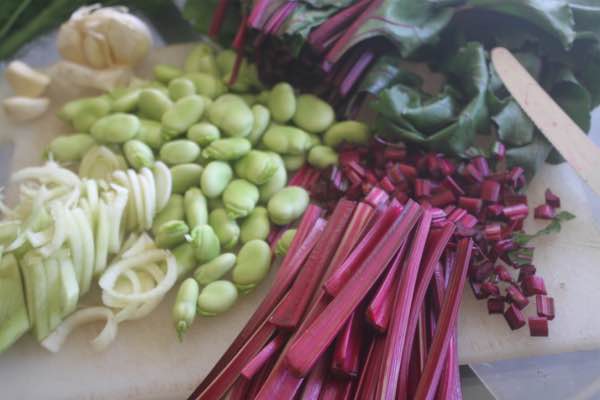
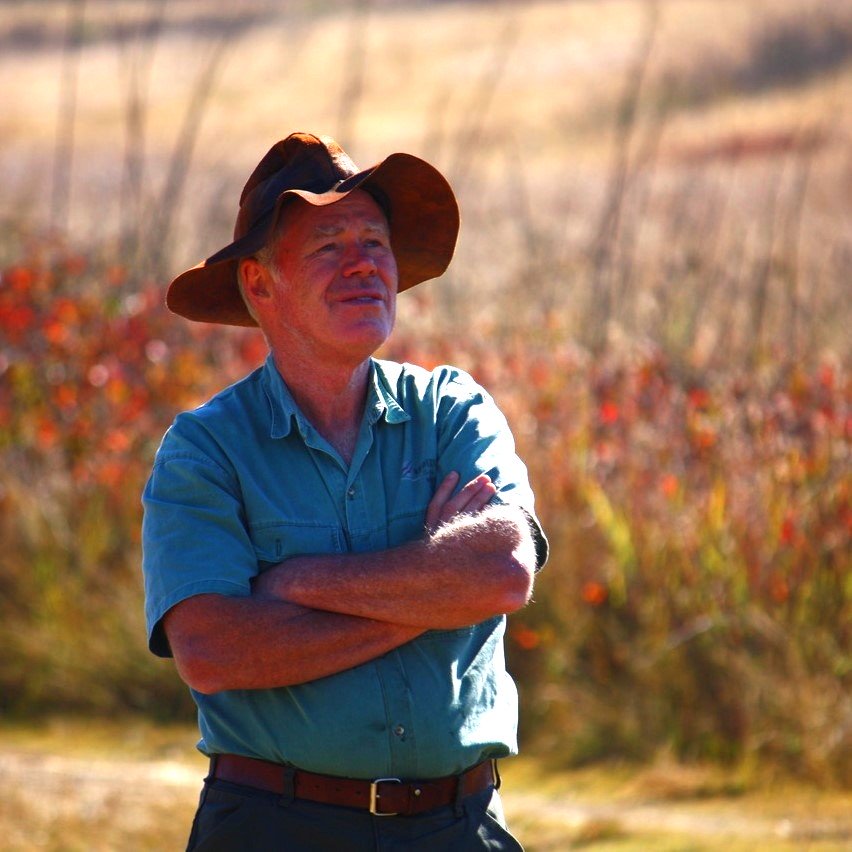
I have had a very annoying tremor in my right hand for many years that an eminent neurologist said was possibly the first sign of Parkinson's Disease. Only proven to date in white mice, the L-dopa in broad beans stops the condition from progressing. Fortunately my case affirms that this is probably true for humans too.
But I have to eat them daily so we grow many plants and freeze the beans for year-round consumption.
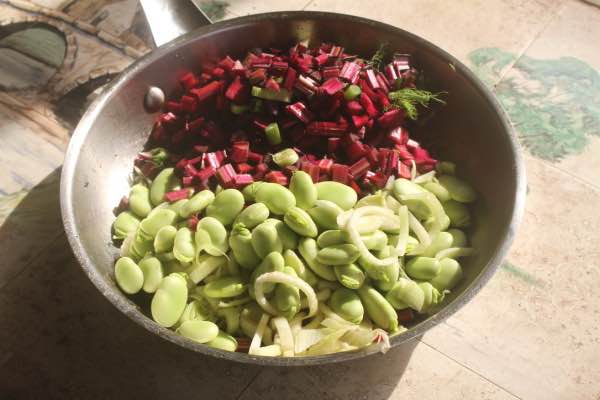
The topping
It is recommended that the elderly consume rather more protein; apart from that in the legumes you could poach a couple eggs on your broad beans and beet tops stir-fried with spices.
It's a sort of Eggs Florentine but much richer in many coloured, nutritious foods.
Other options would be to drop a couple sausages or portions of chicken on the greens.
A starchy foundation
Brown rice, new potatoes or half a slice of wholegrain bread would all provide a very nutritious base to your broad beans and beet tops stir-fried with spices.
Those enjoying whole foods like these need have absolutely no anxiety about the low GI starches. Wise folk dump white rice, potatoes from cold storage and typical store bread for ever; they are the devils when it comes to obesity, type-2 diabetes and heart disease.
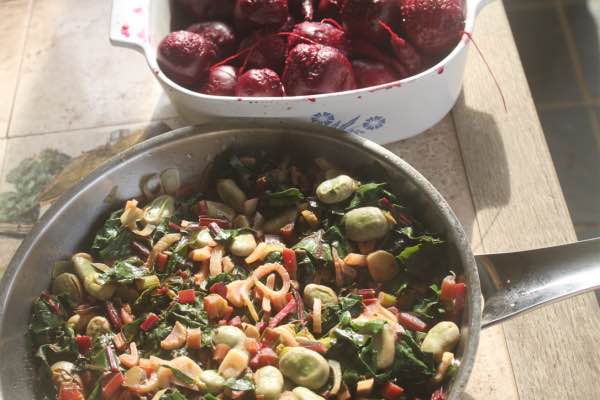
Today we placed the stir-fry on pan fried wholegrain toast.
Nitrates In the stalks of leaves
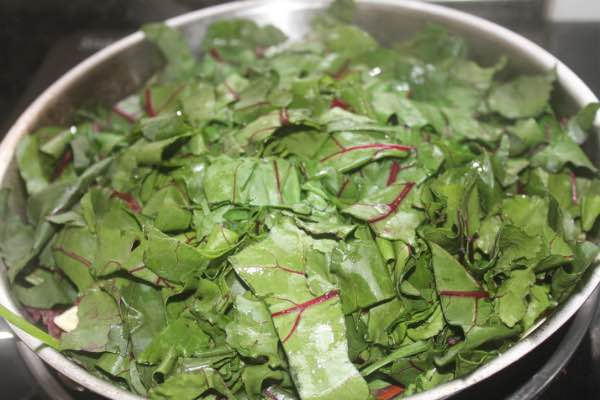
The long thin stalk of a leaf is known as a petiole; when cooking spinach, kale and beet tops it is often discarded.
The stalk contains even more dietary nitrates that are converted into nitric oxide in the blood, lowering diastolic but not systolic blood pressure by about 4 mmHg within hours of consumption.
Both the stalks and the leaves thus have value in lowering the clinically more significant diastolic blood pressure. A sustained drop of this nature gives marked protection against stroke and heart disease; it is needed by the coronary vessels to supply sufficient oxygen.
Fibre in beet tops and spinach
Four cups of dark-green leafy vegetables like beet tops and spinach produce about a quarter of the amount when cooked.
One cup of cooked beet tops and stems would be a good helping of the vegetable; it contains over 3 grams of fibre. There is even more in the petiole than the leaf. That is roughly 10% of the required dietary allowance.
Don't discard the leaf stalks; they are perfectly fine in this dish.
Only 5% of those eating typical grocery store food are consuming the RDA of about 35 grams.
Time
It took about half an hour to collect the vegetables from the garden, wash and prepare them. And about the same to stir-fry the beans and greens; the topping a couple of minutes to crack and poach the eggs.
Meals like this broad beans and beet tops, stir-fried with spices invokes the two to one rule. For every hour we spend growing, preparing and cooking our food we save double that not consulting doctors and standing in the queue at the pharmacy.
Broad beans and beet tops stir-fried with spices
Broad beans and beet tops stir-fried with spices make a novel nasty meal.
From the journals
When browsing use right click and "Open Link in New Tab" or you may get a bad gateway signal.
The material expressed on this page is gleaned from the nutritional and environmental literature; it is clearly referenced. A plain distinction is made between the author's opinion and that which is scientifically proven. When in doubt consult your health professional.
To suggest a correction or clarification, write to Dr Bernard Preston here. Contact.
Your second block of text...
Newsletter
Our newsletter is entitled "create a cyan zone" at your home, preserving both yourself and Mother Earth for future generations; and the family too, of course. We promise not to spam you with daily emails promoting various products. You may get an occasional nudge to buy one of my books.
Here are the back issues.
- Lifestyle and ideal body weight
- What are ultra-processed foods?
- Investing in long-term health
- Diseases from plastic exposure
- Intensive lifestyle management for obesity has limited value
- A world largely devoid of Parkinson's Disease
- The impact of friendly bacteria in the tum on the prevention of cancer
- There's a hole in the bucket
- Everyone is talking about weight loss drugs
- Pull the sweet tooth
- If you suffer from heartburn plant a susu
- Refined maize meal and stunting
- Should agriculture and industry get priority for water and electricity?
- Nature is calling
- Mill your own flour
- Bake your own sourdough bread
- Microplastics from our water
- Alternative types of water storage
- Wear your clothes out
- Comfort foods
- Create a bee-friendly environment
- Go to bed slightly hungry
- Keep bees
- Blue zone folk are religious
- Reduce plastic waste
- Family is important
- What can go in compost?
- Grow broad beans for longevity
- Harvest and store sunshine
- Blue zone exercise
- Harvest and store your rainwater
- Create a cyan zone at your home
Did you find this page interesting? How about forwarding it to a friendly book or food junkie? Better still, a social media tick would help.
- Homepage
- Keep your plate colourful
- Power of Purple Foods
- Broad Beans and Beet Tops Stir-fried With Spices
Address:
56 Groenekloof Rd,
Hilton, KZN
South Africa
Website:
https://www.bernard-preston.com