- Homepage
- Wheat bread
- An electric flour mill for every baker
- The Big Fat Flour Lie
The Big Fat Flour Lie
The Big Fat Flour Lie like all fibs, big and small is intended to deceive. Reading "wholemeal" on a label you think you are getting the real deal; but you aren't. Worse, the consequences are dire; we eat far too much starch and ultrarefined at that.
Ultrarefined is perhaps over the top and should be reserved for all-purpose and cake flour. Nevertheless the perfectly legal extraction of up to 50% of the goodness from so-called "wholewheat" means a serious deficiency of fibre, vitamins and minerals from our food.
It comes as no surprise that only 5% of those eating typical grocery store food are consuming the required dietary allowance of fibre; large bowel disease is rife, particularly affecting young people these days.
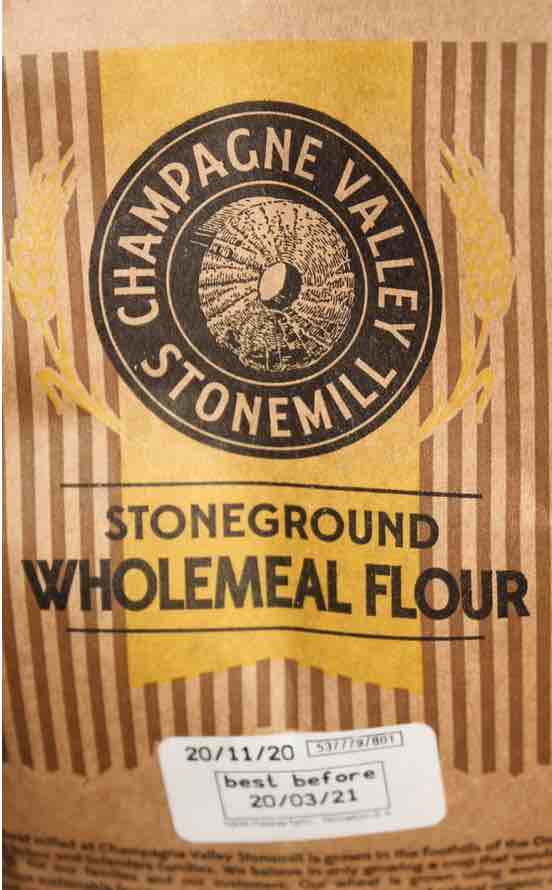 Is it really wholemeal?

The lie
Lies are told in order to deceive us for some nefarious purpose. Two reasons come to mind and they both have to do with money; really it's all about greed.
The first is that the valuable part of a grain of wheat is to be found in the germ and the bran. Millers are able to sell them on at great profit to other companies; farmers, shopkeepers and those who extract the vitamins, minerals and phytonutrients for supplements.
And secondly simply so that we will consume more bread. With up to a half of the bran, oils and some of the protein lost, the commercial loaf simply does not bring satiety. Instead of one we must swallowing three slices. This truly is dire; we end up eating far too much starch for lunch.
Once you start to enjoy true 100% flour with your lunch you will quickly realise that one slice of real bread is enough; more than that you will feel stuffed. It also leaves room for salads that we should be eating far more regularly.
Too much starch and partially refined at that, means soaring blood glucose, obesity and type 2 diabetes; the big fat flour lie has truly dire consequences.
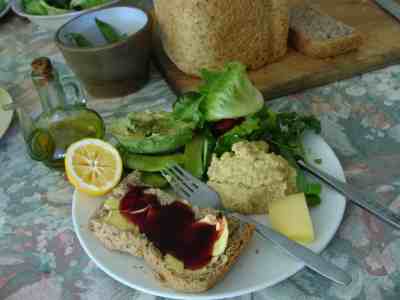 One slice is enough
The Whole Grain initiative
The whole grains council is the organisation behind this nefarious deal. They declared previously that millers may label their flour as "whole grain" provided they do not extract more than fifty percent of the germ and bran.
It's a big fat flour lie from beginning to end, making milling much more profitable but setting us well on our way to the chronic degenerative diseases of our time.
"A whole-grain food shall contain at least 50% whole-grain ingredients based on dry weight."
"Foods containing a minimum of 25% whole-grain ingredients based on dry weight, may make
a front-of-pack claim on the presence of whole grain but cannot be designated "whole grain"
in the product name."
- Whole Grain Initiative[1]
So a cereal company can legally describe its product on the front of the pack as "whole grain" yet it could contain 75% cake flour. Three-quarters of the goodness has been extracted and you are none the wiser; and cannot understand why your breakfast leaves you famished two hours later, reaching for an energy drink or a sugary snack.
Worse you now have to purchase supplementary minerals, vitamins and other important nutrients that are located in the bran and germ.
To be fair to the Whole Grains Council they have now upgraded their definition, stating that it should contain all the bran and germ.
But the legally binding policy of the Whole Grain Initiative continues to deceive virtually all of us.
"Whole grains report the scientists will lose 58% of the fibre, 90pc of minerals and 70 percent of various vitamins in the refining process; over and above the important polyphenols such as beta-carotene."
- J Neurology
Medical writers
Medical doctors over the centuries made very precise notes of their patients' symptoms, even though they often had little idea of what the disease was. For example, Mozart we now know died of a bacterial infection, probably Streptococcus and ultimately nephritic syndrome with kidney failure.
Yet in all their writings according to cardiologist Wilfred Shute, there are barely any mentions of heart attacks prior to the milling and refining of wheat; but today it is the leading killer.
And why is that? True 100% wholewheat flour is one of the richest sources of vitamin E, nature's anti-coagulant. It stops clots forming in the blood stream.
But the fake "wholemeal flour" may bake a better looking loaf that commercial bread but it's a far cry from the real McCoy. You also need have little fear of butter in moderation.
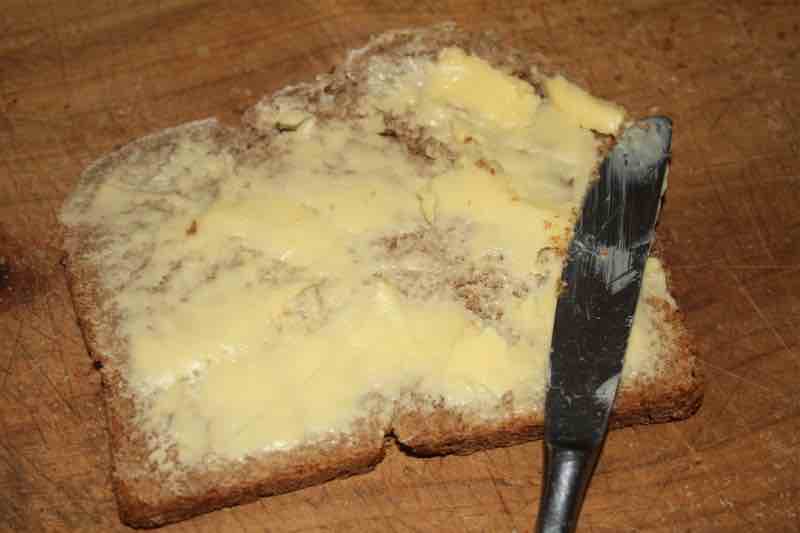
Would it sway you if I told you that it takes only five minutes every morning to prepare the dough for this kind of bread? Add to it the simplicity of a fermented loaf and you have an absolute winner.
This sourdough recipe using 100 percent real flour literally only takes a few minutes to prepare; of course you then have to wait 4 or 5 hours for the bread machine to do its work.
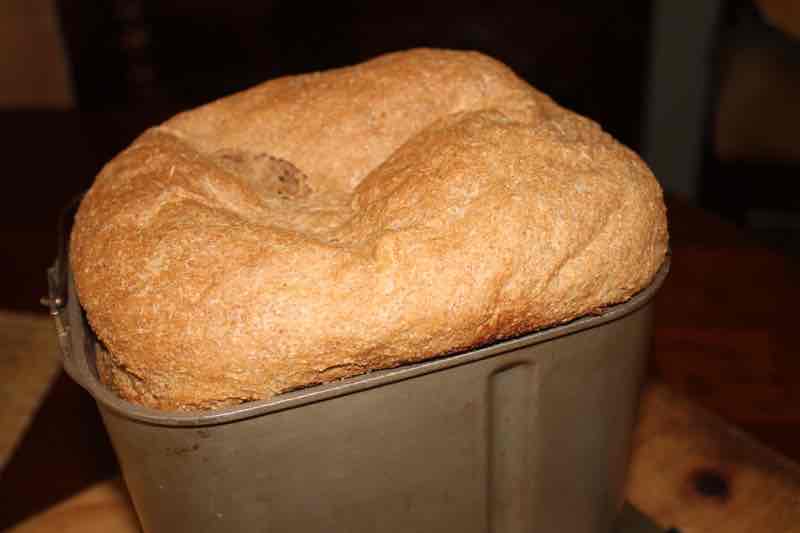
There's another lie peddled out there; that bread made with 100 percent real flour is as heavy as rogbrood. It is simply not true.
And if I was to add the proclamation by the Cancer Society that just one helping of a true wholegrain every day gives you nearly 50% protection from the dread disease, would that sway you?
But there is a catch, one that puts the majority off. "That's a bridge too far," they protest. You see, once the grain is cracked, air reaches the valuable oils in the germ and they begin to go rancid. "Real flour" as it's being called in England has a shelf life; you will not find it in many grocery stores. You may have to purchase a small mill.
There will be plenty of the fake on the supermarket shelves so how can you tell the difference? There are three simple tests.
Three flours labelled as "wholegrain"
Simply look at the flour; real wholemeal looks quite different. It's easy to tell.
Here are two commercial "wholemeal" flours and a portion from a home mill. It's not difficult to distinguish between them; the real deal and those which exemplify The Big Fat Flour Lie.
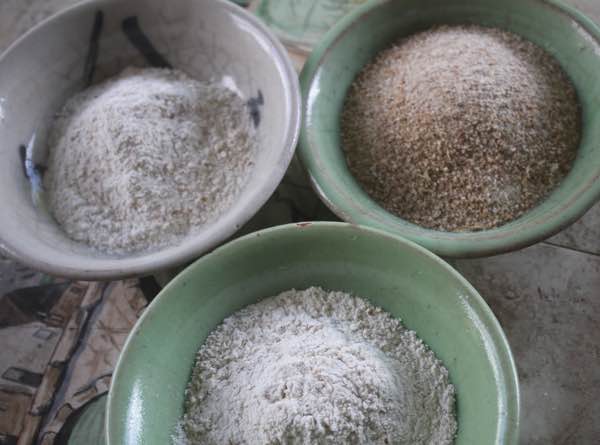 Can you spot the fakes?
Secondly sourdough bread made with fake wholemeal flour tends to produce not unattractive cracks on the top of the loaf as the carbon dioxide gas expands quickly. It may be pretty but it's a reason to be suspicious.
The bran in true wholemeal tends to prick some of the bubbles of gas so the dough doesn't rise so quickly.
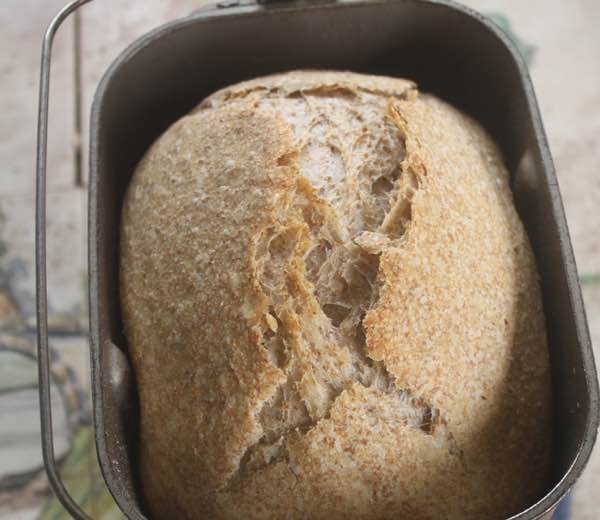 This loaf was made from one of the fake wholemeal flours above
You can also see the loaf is much paler than that at the top of the page made from our true wholemeal flour.
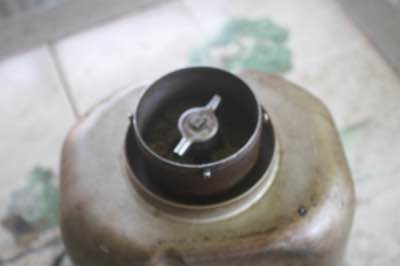
For two reasons every time you bake a loaf you should first twiddle this mechanism that drives the paddle in the oven dish. The first is that it may seize when the machine gets old and smash the plastic cup that holds it; kiss your breadmaker goodbye. And secondly to aerate the dough so the yeast cells will proliferate quickly.
When you twiddle the paddle with real dough in the baking tin, it is quite stiff and resistant to being turned. With the fake you will immediately notice the difference; much of the bran has been extracted.
The Big Fat Flour Lie
The Big Fat Flour Lie has had a disastrous influence on human health. If you are serious about the wellness of your family, go the extra mile and purchase a small mill. The real flour will cost about a quarter of the fake from the grocery store; in less than a year you will recoup your investment.
There is considerable PT however if you want to purchase the grain directly from the farmer. The two to one rule applies; for every hour you invest on growing and preparing your own food you will save twice as much on consultations with the doctor and standing in the queue at the pharmacy. The vitamin E alone makes it worth all the effort.
The material expressed on this page is gleaned from the nutritional and environmental literature; it is clearly referenced. A plain distinction is made between the author's opinion and that which is scientifically proven. When in doubt consult your health professional.
To suggest a correction or clarification, write to Dr Bernard Preston here. Contact.
When browsing use right click and "Open Link in New Tab" or you may get a bad gateway signal.
Newsletter
Our newsletter is entitled "create a cyan zone" at your home, preserving both yourself and Mother Earth for future generations; and the family too, of course. We promise not to spam you with daily emails promoting various products. You may get an occasional nudge to buy one of my books.
Here are the back issues.
- Lifestyle and ideal body weight
- What are ultra-processed foods?
- Investing in long-term health
- Diseases from plastic exposure
- Intensive lifestyle management for obesity has limited value
- A world largely devoid of Parkinson's Disease
- The impact of friendly bacteria in the tum on the prevention of cancer
- There's a hole in the bucket
- Everyone is talking about weight loss drugs
- Pull the sweet tooth
- If you suffer from heartburn plant a susu
- Refined maize meal and stunting
- Should agriculture and industry get priority for water and electricity?
- Nature is calling
- Mill your own flour
- Bake your own sourdough bread
- Microplastics from our water
- Alternative types of water storage
- Wear your clothes out
- Comfort foods
- Create a bee-friendly environment
- Go to bed slightly hungry
- Keep bees
- Blue zone folk are religious
- Reduce plastic waste
- Family is important
- What can go in compost?
- Grow broad beans for longevity
- Harvest and store sunshine
- Blue zone exercise
- Harvest and store your rainwater
- Create a cyan zone at your home
Did you find this page interesting? How about forwarding it to a friendly book or food junkie? Better still, a social media tick would help.
- Homepage
- Wheat bread
- An electric flour mill for every baker
- The Big Fat Flour Lie
Address:
56 Groenekloof Rd,
Hilton, KZN
South Africa
Website:
https://www.bernard-preston.com