- Homepage
- Eco-friendly homes
- Our Green Home
- Homemade probiotics
- Obesity Generalised Muscle Weakness and the Microbiome
Obesity, generalised muscle weakness and the microbiome
Obesity, generalised muscle weakness and the microbiome are intimately intertwined with a deficiency of thiamine-producing bacteria in the gut.

Quick guide
What is thiamine?
Thiamine is the name of the first vitamin ever discovered. It was given the designation B1. A deficiency caused the death of millions of people from a terminal disease called beriberi. Prior to that doctors thought that illnesses were only caused by bacteria and certain toxins such as those the proliferate in mouldy grains.
The story of the discovery of thiamine is intriguing; how four great men were able to utilise lateral thinking to solve a great dilemma. It's worth a read; it literally changed the course of history.
Most of us are familiar with the family of vitamins in the B complex; deficient in them we become extremely unhealthy and very prone to a miserable death; pernicious anaemia and pellagra are other examples.
It turns out that obesity is one of the diseases caused in part by a thiamine deficiency. That's why diets almost never deliver on their promises; they do not get to the root causes of the condition.
Thiamine is found primarily in the germ and bran of seeds. The milling and refining of grains such as wheat, rice and maize are the chief cause of a deficiency of B1and the death of millions of people; and as it turns out, obesity.
But what is the mechanism? How does a thiamine deficiency cause such radical muscle weakness, numbness in the legs and obesity? The heart in particular is affected.
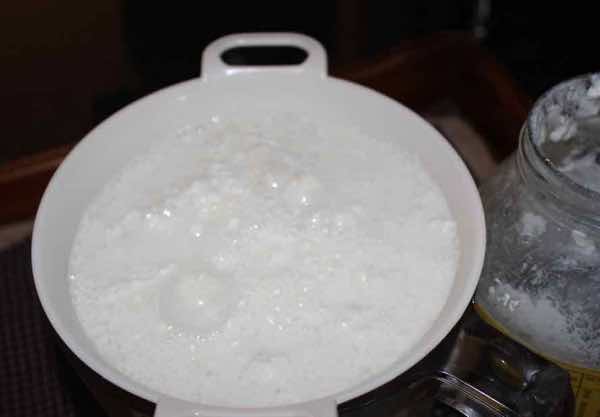 Kefir is the easiest probiotic to make in the home kitchen
The thiamine-producing Lactic Acid Bacteria in kefir have a neuroprotective effect[2].
What is the microbiome?
Astonishingly in the happy tum there resides a massive community of friendly bugs known as the microbiome; collectively these helpful bacteria, viruses and yeast cells weigh about 2kg. There are literally billions of them, nine times as many as all the cells in each of our bodies.
And interestingly they have a "chicken and egg" relationship with thiamine; they are both utterly dependent on adequate B1 from dietary sources and some of them can synthesise the vitamin.
Many other nutrients are necessary for a healthy microbiome too. Magnesium for example works as a cofactor with thiamine in the production of ATP, a major form of energy in the body.
What is obesity?
Obesity is the excessive accumulation of fat that is associated with many serious chronic diseases; diabetes, heart conditions and hypertension, for example.
There is mounting evidence that an absence of these friendly thiamine-producing bugs is one of the prime causes of obesity. They also synthesise many other very important metabolites that reduce chronic inflammation in the body and manage our immunity.
This is why the obese were so profoundly affected by the cytokine storm that killed so many during the Covid-19 pandemic; chronic underlying inflammation and poor immunity against invading pathogens.
Obesity is defined as having a BMI over 30.
"Numerous studies have found that individuals with obesity exhibit alterations in gut microbiome composition and metabolism compared to lean people."
- Ecklu-Mensah et al
Proto-trophic bacterial microbiome species
It is complex biochemistry not of interest to the majority perhaps but some of these friendly bacterial species known as "prototrophs" are able to synthesise these important nutrients such as thiamine in the colon.
These important substances then can supply both our bodies and other bacterial species in the colon unable to synthesise them; this is so important for our own requirements for B vitamins like thiamine but also to maintain a healthy balance of the "friendly flora."
In biochemistry jargon this is known as maintaining "gut homeostasis;" so important in preventing invading pathogens from colonising the gut and other organs thus making us sick.
Thiamine levels and disability
Examination of the contents of the gut has revealed clearly to scientists that the obese have a 30% greater chance of low levels of thiamine, the vitamin associated with generalised muscle weakness, heart failure and numbness in the lower limbs.
This is particularly true as stated earlier in the elderly and is one of the reasons why so many obese older persons need a walker; their muscles have lost their strength.
That thiamine deficiency by contributing to the generalised inflammation in the bodies of the obese is also one of the causes of damaged cartilage in the joints of the lower limbs. Degenerative ankles, knees and hips accompanied by muscle weakness means many falls.
The disability of the elderly obese, once so active and independent is often of even greater frustration than the pain of a degenerative hip or knee.
Women in Britain for example, on average should anticipate that disability will trouble them for almost a quarter of their lives; for those relying mainly on typical grocery store food it's even worse.
Differences in the microbes
When researchers compared the microbes in obese patients with those in lean subjects they found those with a healthy weight were dominated by beneficial species such as Bifidobacterium that could synthesise thiamine; but the lives of those who had a high BMI were being subdued by those that were pro-inflammatory or frank pathogens such E. coli. Their muscles and joints ached; worse their blood vessels and organs were angry. They were far more prone to infection by passing viruses.
Whole grains are rich in thiamine
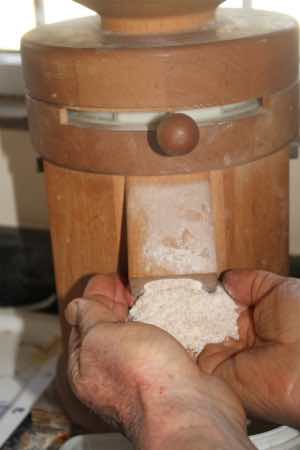
It has long been known that those changing to true whole grains with all the bran and germ intact would slowly lose weight; they could enjoy their bread without guilt. Two possible mechanisms are postulated; there are almost certainly others.
- Fibre slows the release of food including starches from the stomach via the action of the incretin hormones. This would inhibit the action of digestive enzymes and reduce any potential blood glucose spike; stimulate the natural gut hormones that regulate appetite.
- The thiamine in the germ and bran of true whole grains would nourish the beneficial species in the gut, supporting those that are anti-inflammatory, pro immunity and weight loss.
Conversely ultrarefined grains which are low in fibre and thiamine would promote high blood glucose levels, inflammatory Advanced Glycation End-products and inhibit the friendly bacteria.
Diversity and complexity of the microbiome
Many repeated studies confirm that it is not only the total weight of friendly bacteria in the gut that is vitally important but also the diversity.
Friendly bacteria in the treatment of obesity
The obvious but unfortunately invalid treatment for a gut exhibiting dysbiosis would be large doses of friendly thiamine-synthesising bacteria.
"For every complex problem there is an answer that is clear, simple and wrong."
H.L. Mencken
One rarely sees probiotic capsules with more than half a dozen species; flooding the gut with a narrow range of even friendly bacteria would grossly reduce the diversity and complexity of the microbiome. That would only complicate matters; don't take pills to enhance the wellness of your gut.
Hippocrates and fermented foods
The only practical, inexpensive treatment for the dysbiosis associated with obesity is to return to our roots; let your food be your medicine.
"Let thy food be thy medicine, and medicine be thy food."
Hippocrates (460 - 370 BC)
Almost all ancient cultures ferment their own probiotics; this was probably done initially for preservation of food, unwitting of the benefits of the friendly flora and their metabolites.
The Germans fermented sauerkraut and beer; the Koreans, kimchi. Many nations cultured dairy products of one sort or another; buttermilk, kefir and yoghurt.
The Blue Zone island of Ikaria is famous for its natural meads that contain copious amounts of friendly yeast cells to counter pathogens such as Candida.
To qualify as a probiotic none of these products are pasteurised, sterilised or have preservatives; they contain friendly living bacteria, viruses and yeast cells.
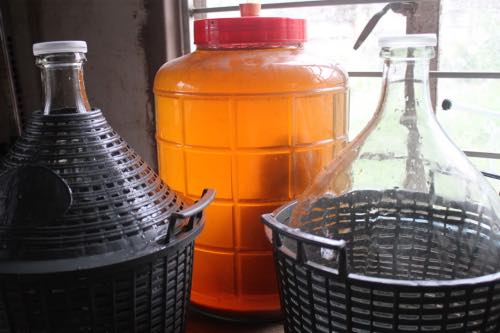 Spicy peppadew mead
Fibre and the microbiome
 Ferment whatever is in season; this is sauer-susu.
Dietary fibre is the substrate that these friendly bugs feed on. All the kimchi in Korea, sauerkraut in Germany and kefir from the Caucasus cannot provide the obese with a happy tum without a return to the foods that their great grandmothers once served; they are starving the thiamine-synthesising bacteria that could restore them to wellness.
Only 5% of those enjoying typical grocery store food are getting the Recommended Dietary Allowance of fibre; around 35grams per day.
We have become so accustomed to ultra-processed grocery store food that can be swallowed with little or no chewing; despite repeated warnings how it will affect the microbiome, causing obesity and generalised muscle weakness.
The germ and bran in whole grains are particularly rich in thiamine-producing bacterial species. Alas they are almost impossible to purchase; you may need your own mill.
The material expressed on this page is gleaned from the nutritional and environmental literature; it is clearly referenced. A plain distinction is made between the author's opinion and that which is scientifically proven. When in doubt consult your health professional.
To suggest a correction or clarification, write to Dr Bernard Preston here. Contact.
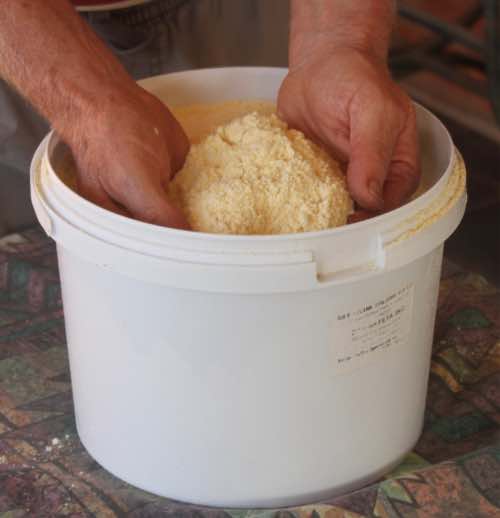 True wholegrain maizemeal also known as polenta
True wholegrain porridges and breads have incredible flavour that is lost with modern methods of milling; consequently commercial cereals and loaves demand copious quantities of salt, sugar and flavour-enhancers to make them palatable.
The Big Fat Lie
There is a Big Fat Lie in processing of grains; millers are allowed by international law to label their products "wholemeal" provide they do not extract more than 40% of the germ and bran.
Don't believe the label; whole grains are almost impossible to purchase. Obesity, generalised muscle weakness and the microbiome is a complex subject; the Big Fat Lie has totally undermined human wellness.
Lies are told to deceive people; in this instance contributing in the whole world to our discombobulation, obesity and poor gut health.
Assume in this instance that the term "wholegrain" on a packet in the grocery store is a lie until proven otherwise; better than all-purpose or cake flour but still unlikely to do much for the thiamine-producing bacteria that help us overcome obesity.
SUMMARY
- Thiamine-producing bacteria in the gut are needed to lose weight successfully and permanently.
- Home-produced probiotics are essential for a diverse community of bugs in the gut.
- Face the need of these friendly bacteria for a high fibre diet; without it you will never succeed in the struggle against obesity.
- True whole grains are almost impossible to find in the store; consider purchasing a mill.
- Understand how the Big Fat Lie has totally undermined the health of the obese; we've been duped.
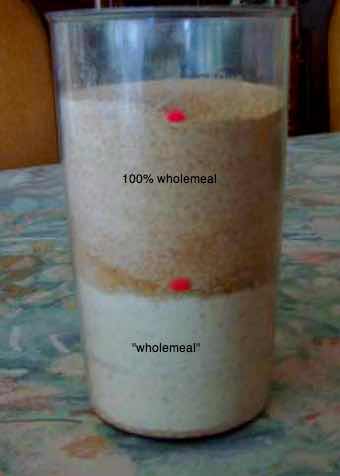 True and fake wholemeal
Of equally great significance is that the bran of whole grains not only provides thiamine-producing bacteria for the microbiome but also the lignans that give nearly 50% protection against breast and prostate cancer.
The Cancer Society recommends a true whole grain and a legume at every meal.
Obesity, generalised muscle weakness and the microbiome
Obesity, generalised muscle weakness and the microbiome relates to vitamin B1; a plant nutrient that we cannot live without. A deficiency causes a very serious illness called beriberi that has killed millions; ultra-processing of grains and a diet deficient in fibre are the chief causes.
From the journals
When browsing use right click and "Open Link in New Tab" or you may get a bad gateway signal.
Newsletter
Our newsletter is entitled "create a cyan zone" at your home, preserving both yourself and Mother Earth for future generations; and the family too, of course. We promise not to spam you with daily emails promoting various products. You may get an occasional nudge to buy one of my books.
Here are the back issues.
- Lifestyle and ideal body weight
- What are ultra-processed foods?
- Investing in long-term health
- Diseases from plastic exposure
- Intensive lifestyle management for obesity has limited value
- A world largely devoid of Parkinson's Disease
- The impact of friendly bacteria in the tum on the prevention of cancer
- There's a hole in the bucket
- Everyone is talking about weight loss drugs
- Pull the sweet tooth
- If you suffer from heartburn plant a susu
- Refined maize meal and stunting
- Should agriculture and industry get priority for water and electricity?
- Nature is calling
- Mill your own flour
- Bake your own sourdough bread
- Microplastics from our water
- Alternative types of water storage
- Wear your clothes out
- Comfort foods
- Create a bee-friendly environment
- Go to bed slightly hungry
- Keep bees
- Blue zone folk are religious
- Reduce plastic waste
- Family is important
- What can go in compost?
- Grow broad beans for longevity
- Harvest and store sunshine
- Blue zone exercise
- Harvest and store your rainwater
- Create a cyan zone at your home
Did you find this page interesting? How about forwarding it to a friendly book or food junkie? Better still, a social media tick would help.
- Homepage
- Eco-friendly homes
- Our Green Home
- Homemade probiotics
- Obesity Generalised Muscle Weakness and the Microbiome
Address:
56 Groenekloof Rd,
Hilton, KZN
South Africa
Website:
https://www.bernard-preston.com