- Homepage
- Nutritional value of corn for humans
- How to grow corn
- How Corn Fell Into Disrepute As Good Food for Humans
How corn fell into disrepute as good food for humans
This is the story of how corn fell into disrepute as good food for humans; once refined it loses all nutritional value, flavour and becomes highly glycaemic. Large amounts of sugar and salt are usually added to grits.
Carbs in general have come into considerable disrepute of late, especially the last 50 years; since the dawn of the obesity pandemic in fact. Three important events lie at the foundation of this serious condition, some doctors calling it a disease.

1. Industrial processing of cane and beets
The first was the industrial processing that made table sugar readily available from cane and beets; this disaccharide consisting of two units, glucose and fructose molecules joined together is very rapidly digested in the small intestine causing a toxic surge in the "portal" blood stream leading to the liver.
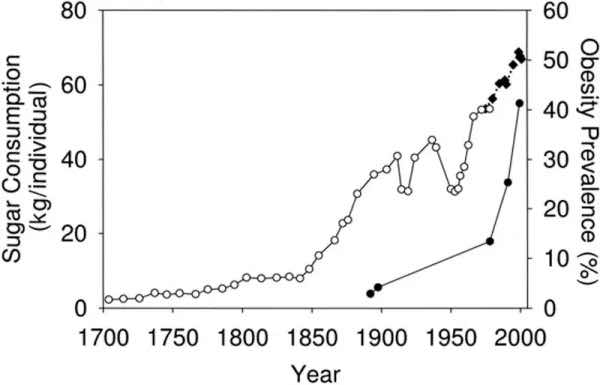
The rise in sugar consumption began around 1850 but the surge in obesity only really began about 130 years later; when highly-refined carb usage turned into a tsunami.
2. Modern milling techniques
The second event was the development of modern milling techniques of both wheat and corn making highly-refined grains available that were cheap and very quickly became desirable to the general public; they cooked more quickly and required little chewing.
The downside of this second event, completely unappreciated at that time was that with the extraction of the germ and bran these grains also lost their flavour, fibre and all the essential phytochemicals. The nutritional value of corn for humans dropped dramatically; wheat too. Excessive amounts of salt and sugar were added to cornbreads and grits to give them taste; loaves, cakes and pastries also.
Highly glycaemic carbs
And so these two highly glycaemic carbs came together, refined grains and sugar to set the scene for the dramatic unprecedented surge in obesity in mankind.
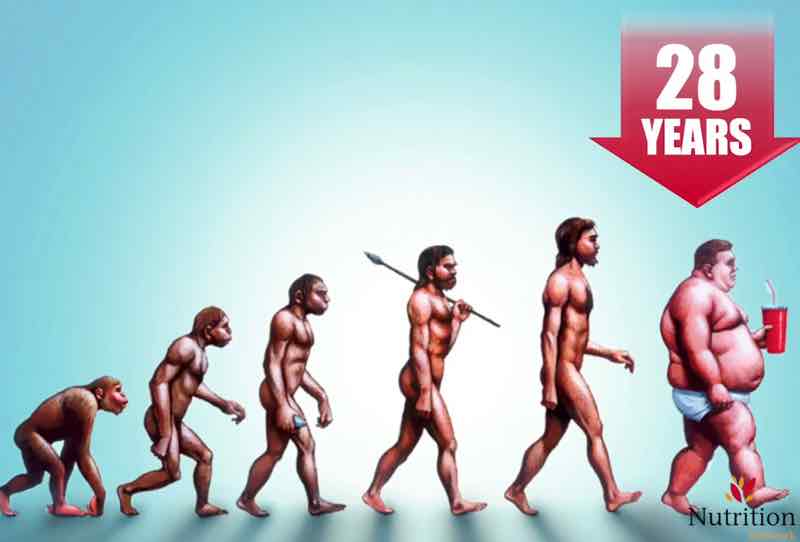 With thanks to the Nutritional Network
Added to this toxic equation was the massive rise in salt consumption to give these tasteless refined grains more flavour; now we have the makings of the perfect storm that soon burst on the scene.
3. McGovern's Senate Select Committee
However it was the third event that really started the ball rolling; McGovern's Senate Select Committee that in 1977 advised Americans to stop eating animal fats and instead enjoy more carbs. This advice was predicated on the work of a researcher named Radley Keys who crooked the books to convince the world of his theory that it was cholesterol that was the chief cause of heart disease; and it is still believed by many today.
On the face of it the McGovern Committee's recommendation did not look bad; and perhaps still does not but it did not take three very important facts into account.
First it is the fat in food primarily that gives our meals their satiety; yes there are other factors too such as protein and fibre but turning Americans away from eggs, meat and butter had very serious unintended consequences. The people became constantly hungry.
Secondly bakers began adding large quantities of polyunsaturated oils to their pastries and bread in place of butter. A small amount of linoleic acid is essential but today makes up about 10% of many people's dietary calories; that is highly inflammatory.
And thirdly millers had discovered that the real value in grains was to be found in the bran and germ which, sold for animal feed became highly profitable. Unrefined cornmeal and wheat flour became increasingly difficult to purchase; and simultaneously the public loved the way the new breads, cakes and delicious pastries slid delectably down the throat with little chewing needed.
Dementia and chewing
Little did doctors and the public too realise that there is a totally unexpected correlation between chewy foods and dementia. Tragically now around 10% of Americans aged 65 and older are suffering from Alzheimer's Disease.
The perfect storm: metabolic syndrome
This was a winning formula for millers whose bottom lines surged; and for farmers who discovered that relatively cheap, highly-nutritious food became readily available for their chickens, pigs and cattle.
The nutritional value of corn for humans was very effectively diverted to the farming community; and wheat too. But theirs became a losing formula of serious note; obesity, diabetes and metabolic syndrome.
- Abdominal obesity
- High blood pressure
- Raised blood glucose
- Abnormal serum fats
Is there a solution to our desire to return to delicious yellow corn?
There is but there's nothing simple about it; we have to prioritize time to our food. The simplest wholegrain maize is good old-fashioned corn on the cob. But as we all know once it has been in the grocery store for a couple days it is really not very nice.
There are two options both of which will make demands on your time; that willy-nilly means less hours watching ballgames, soaps and social media. You either have to start visiting farmers' market or growing your own corn.
How corn fell into disrepute as good food for humans
This page describes how corn fell into disrepute as good food for humans, especially those suffering from obesity.
Yet research clearly shows that those enjoying whole grains in moderation will slowly lose weight[2]; and enjoy a slew of benefits including massive protection against some of the ugliest cancers, including of the breast, prostate and colorectal region.
The material expressed on this page is gleaned from the nutritional and environmental literature; it is clearly referenced. A plain distinction is made between the author's opinion and that which is scientifically proven. When in doubt consult your health professional.
To suggest a correction or clarification, write to Dr Bernard Preston here. Contact.
When browsing use right click and "Open Link in New Tab" or you may get a bad gateway signal.
Newsletter
Our newsletter is entitled "create a cyan zone" at your home, preserving both yourself and Mother Earth for future generations; and the family too, of course. We promise not to spam you with daily emails promoting various products. You may get an occasional nudge to buy one of my books.
Here are the back issues.
- Lifestyle and ideal body weight
- What are ultra-processed foods?
- Investing in long-term health
- Diseases from plastic exposure
- Intensive lifestyle management for obesity has limited value
- A world largely devoid of Parkinson's Disease
- The impact of friendly bacteria in the tum on the prevention of cancer
- There's a hole in the bucket
- Everyone is talking about weight loss drugs
- Pull the sweet tooth
- If you suffer from heartburn plant a susu
- Refined maize meal and stunting
- Should agriculture and industry get priority for water and electricity?
- Nature is calling
- Mill your own flour
- Bake your own sourdough bread
- Microplastics from our water
- Alternative types of water storage
- Wear your clothes out
- Comfort foods
- Create a bee-friendly environment
- Go to bed slightly hungry
- Keep bees
- Blue zone folk are religious
- Reduce plastic waste
- Family is important
- What can go in compost?
- Grow broad beans for longevity
- Harvest and store sunshine
- Blue zone exercise
- Harvest and store your rainwater
- Create a cyan zone at your home
Did you find this page interesting? How about forwarding it to a friendly book or food junkie? Better still, a social media tick would help.
- Homepage
- Nutritional value of corn for humans
- How to grow corn
- How Corn Fell Into Disrepute As Good Food for Humans
Address:
56 Groenekloof Rd,
Hilton, KZN
South Africa
Website:
https://www.bernard-preston.com