- Homepage
- Coloured foods for better health
- Avocados and olives
- Food for the brain
- Cut Dementia By Nearly a Half
Cut dementia by nearly a half
Cut dementia by nearly a half with these modifiable risk factors.
Few things scare us more than losing our marbles and so it should. More than 10% of those over 65 in the US have Alzheimer's Disease; one in nine people. Yet researchers keep telling us that there is much we can do to prevent it.
The "industrial diet" of those who consume mostly typical grocery store food and the general contemporary lifestyle are having a terrible effect on our brains. It's so pervasive that a kind of paralysis has set in; it only happens to "other people."
Let it sink in. 1 in 9 of those over 65 already have Alzheimer's Disease; and the older we get the worse the prevalence[1].
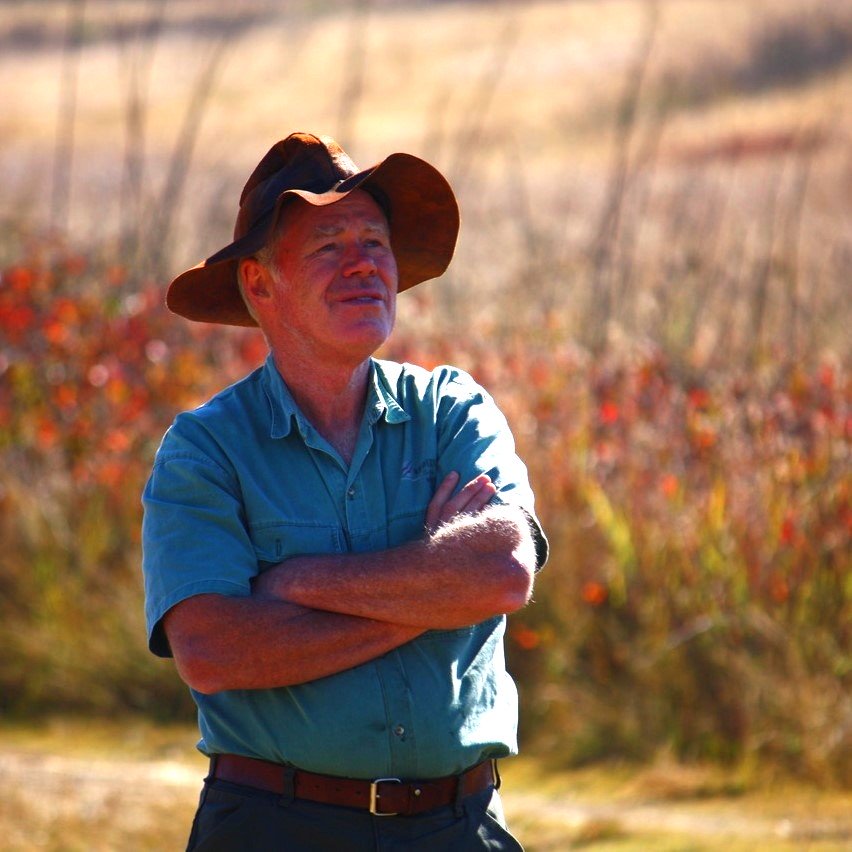
Brain autopsies have now shown that a very great proportion is caused by "something else." That is where lifestyle comes in; there is so much we can do to shift the stats in our favour.
The 2024 report of the Lancet standing commission lists these modifiable factors that give us nearly double the chance of living gracefully into old age without dementia.
Many of these modifiable risk factors centre around keeping blood glucose and pressure levels down where they should be.
Quick guide
Reducing vascular damage
The brain is a prodigious user of the oxygen we breathe in; nearly 50%. Anything that reduces the blood flow to our heads will have a detrimental effect on our ability to function normally, especially as we get older.
1. Diabetes
The material expressed on this page is gleaned from the nutritional and environmental literature; it is clearly referenced. A plain distinction is made between the author's opinion and that which is scientifically proven. When in doubt consult your health professional.
To suggest a correction or clarification, write to Dr Bernard Preston here. Contact.
Chronically raised serum glucose attaches to red blood corpuscles forming what are known as AGEs; Advanced Glycation End-products.
A systemic review of 474 papers concludes that AGEs cause what is known as oxidative stress; this cuts the life of a red blood cell and reduces the concentration of haemoglobin.
Moreover they found that the size of the RBCs increases and their ability to change shape in tight spots is reduced; this raises the risk of stroke.
In addition researchers have found that type-2 diabetes can be brought completely into remission without the use of any medication.
Three of the modifiable risk factors therefore are:
- Greatly reducing ultra-refined grains.
- Keeping sugar below 10tsp per day; the heart association says less than 6.
- Taking short, brisk walks after any starchy meal; and especially supper.
2. Smoking
This one we won't belabour. Every smoker knows that their habit increases vascular damage in every part of the body including the brain; they have a greatly raised risk of temporary ischemic attacks and strokes.
The prevalence of dementia soars with both the number of cigarettes and the years of smoking.
3. Blood Pressure
Poorly managed hypertension is one of the risk factors of dementia.
Interestingly increased magnesium[4] and potassium[5] from our food have a profound influence on the flexibility of the blood vessels.
We choose yellow maizemeal for porridge in winter because of its very high potassium content; 60 times better than the refined grain.
So too these very simple isometric exercises done regularly, utilising the quadriceps thigh muscles reduces both systolic and diastolic BP by nearly 10 points[5].
4. Excessive alcohol consumption
"Risky" alcohol consumption is 2 or more tots per day and heavy drinking is defined as over 6. Not only is it associated with an increased risk of breast cancer in particular but also of dementia[2].
Confusingly unpasteurised natural wines, meads and beers if anything appear to contribute to longevity. They are enjoyed daily in four of the five Blue Zones of the world; in the fifth, Linda Loma the Seventh Day Adventists are teetotalers.
 A homemade mulberry mead made using natural honey
5. Physical activity
Independently of its influence in lowering blood glucose, physical activity and in particular the strength of the thigh muscles is strongly associated with reduced dementia and longevity; use the stairs.
It matters not whether we walk, cycle or swim; or any other of the great number of physical activities. We just need to move far more frequently daily.
Scientists are not certain but they think that exercise after dinner in the evenings, proven to reduce heart attacks and strokes in the early morning is because it inhibits the so-called "dawn effect."
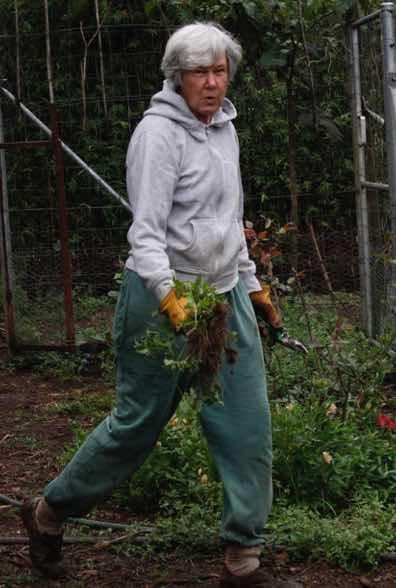 Walking in the garden
6. The microbiome and dementia
The healthy gut has an astonishing 2kg of friendly bacteria, viruses and yeast cells. Not only the number but the diversity also is important.
That can only exist if we eat plenty of fibre and regularly enjoy probiotic foods such as kefir, sauerkraut and kimchi.
This microbiome produces a diverse array of hormones such as dopamine, short-chain fatty acids like butyrate and many other substances that protect our brains against chronic inflammation; and the amyloid tau proteins associated with dementia.
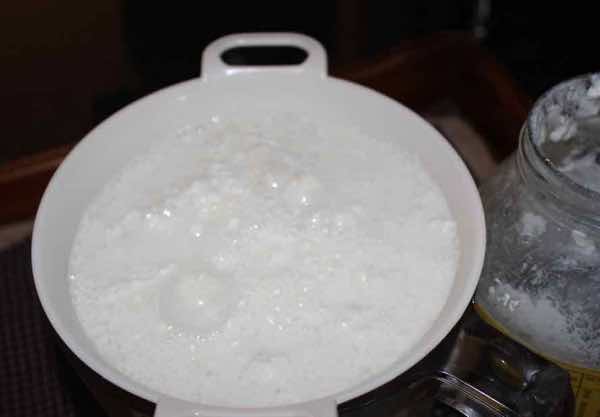 Separating the curds and whey; the simplest probiotic.
7. Raised LDL cholesterol
There is increasing evidence that high LDL is caused not by fatty foods but by ultra-refined carbs that flood the liver with glucose; which is then attached to triglycerides forming low density lipoproteins.
Chronically high LDL is also associated with dementia.
8. Social isolation
Anything that isolates us from family, neighbours and friends increases the likelihood of dementia; interaction with other people is essential.
Death of a spouse for example is one of the reasons why elderly ladies are more affected by dementia than men.
9. Loss of sight and hearing
Untreated loss of sight and hearing isolate us from family and friends; they too are factors leading to dementia.
Inclusion of dark-green leafy vegetables in the diet, supplying phytonutrients like lutein and zeaxanthin is essential to prevent adult-onset macular degeneration.
Those using noisy machinery must wear earmuffs.
The deaf must accept that wearing hearing aids and learning to lipread is part of the way to cut dementia by half; otherwise the risk of losing their marbles soars.
10. Poor air and water quality
Poor air quality is difficult to manage; not living in highly industrialised areas will help. It affects the lungs adversely and that means less oxygen for the brain.
Enjoyment of spring and rainwater is important too; and use of charcoal filters.
We can cut dementia by nearly a half if we reduce these risk factors.
11. Beta-cryptoxanthin
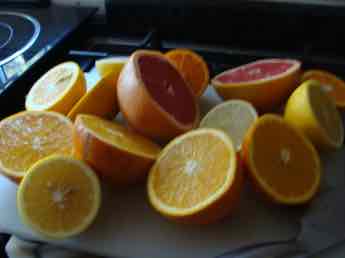
Beta-cryptoxanthin[3] is the only proven remedy known to help prevent dementia; luckily it's found in all citrus. We should daily enjoy half a grapefruit for breakfast, a helping of hummus made with the pulp of a lemon or freshly squeezed orange juice.
Therein lies a danger however. Some citrus like mandarins contain large amounts of natural sugars which will raise blood glucose; follow your sweet juices with short brisk walks so that it is turned into glycogen instead.
Always include the pulp of citrus fruit; otherwise you lose more than half of the beta-cryptoxanthin.
12. Parkinson's Disease
Parkinson's Disease is a risk factor for developing dementia; dopamine, the "happy hormone" is involved in many pathways in the brain as well as the motor manifestations in the periphery.
However the risk is not terribly high; 8.5% of the entire followup[6]. Those with less than 13 years of education are more at risk. Continuing studies, playing games like chess and others like Sudoku are would mitigate against the much feared dementia of PD.
The only plant containing pharmacological amounts of levodopa is the fava bean. However it is not readily found in greengrocers in most countries. Those who think they may have the disease would be advised to grow them; and freeze the excess for year-round consumption.
Five beans morning and evening would greatly help; the young pods and sprouting seeds contain even more L-dopa.
They
are also called broad beans in some countries. They give protection to
the intestinal mucosa; those suffering from peptic ulcer disease have
more than four times the risk of Parkinson's Disease.
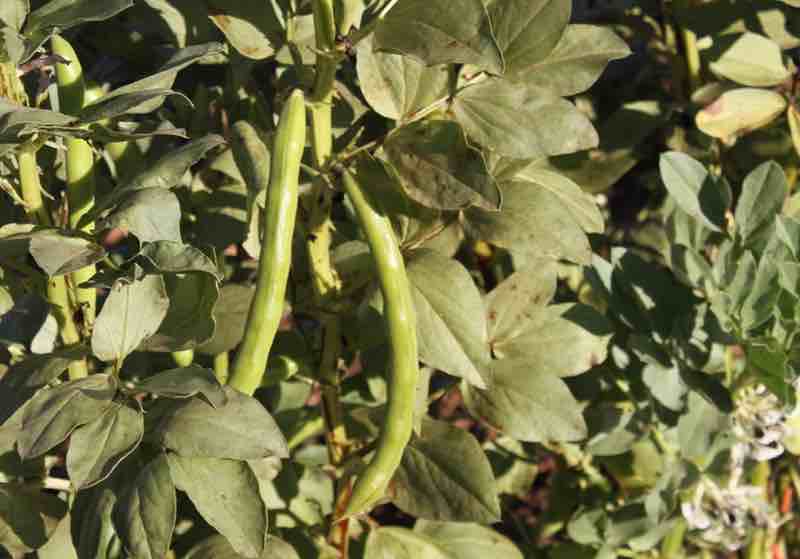 Broad beans are the only natural source of the dopamine precursor.
13. Plastic nanoparticles in the brain
By examining cadavers researchers have found that those suffering from dementia have ten times as much plastic in the frontal cortex of their brains; the part that is involved in reasoning, judgement and problem-solving.
Nanoparticles of plastic can cross the blood-brain barrier; the very worst source is the bottle from which we may be drinking most of our water. Teabags are up there too.
14. Whole grain consumption
There is statistically strong evidence that whole grain consumption is associated with a slower rate of mental decline[7]. However according to scientists reporting in the prestigious medical journal Neurology, less than 10% of Americans are achieving the recommended intakes.
"Whole grains report the scientists will lose 58% of the fibre, 90pc of minerals and 70 percent of various vitamins in the refining process; over and above the important polyphenols such as beta-carotene."
- J Neurology
79% of the vitamin E in wholegrain flour for example is sacrificed; it is the body's chief anti-coagulant. The prevalence of TIAs and strokes rises exponentially as does all cardiovascular disease; and dementia too obviously.
Simply returning to whole grain consumption would cut dementia dramatically.
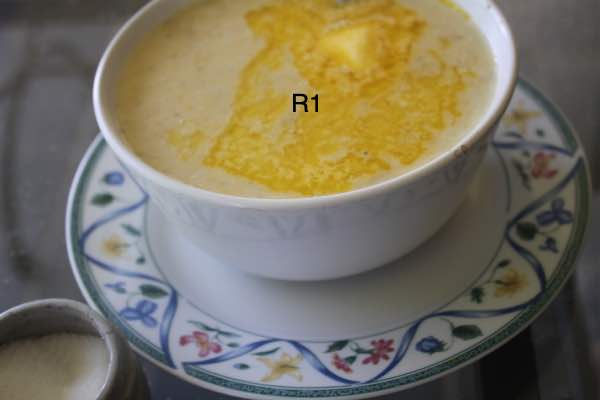 Whole grain yellow grits is remarkably inexpensive; if you can find it.
Fat such as butter increases the absorption of the beta-carotene and other important polyphenols.
Your own electric mill
In practice unrefined grains are extremely difficult to find with the exception of corn on the cob and brown rice. In part this is because of the "big fat flour lie" that allows millers to label their products as "wholemeal" providing they do not extract more than 40% of the goodies.
If you are serious about wanting to cut dementia by nearly a half you may have to purchase your own electric mill; every baker should have one.
If you bake regularly it will pay for itself in a year; excluding the vast savings from wellness. The most nutritious flour in the world is a quarter of the price.
Cut dementia by nearly a half
Cut dementia by nearly a half; enjoy citrus daily for the beta-cryptoxanthin, keep blood glucose under control and take short brisk walks after starchy meals. Eat more wholegrains and ferment your own probiotics.
From the journals
When browsing use right click and "Open Link in New Tab" or you may get a bad gateway signal.
Newsletter
Our newsletter is entitled "create a cyan zone" at your home, preserving both yourself and Mother Earth for future generations; and the family too, of course. We promise not to spam you with daily emails promoting various products. You may get an occasional nudge to buy one of my books.
Here are the back issues.
- Lifestyle and ideal body weight
- What are ultra-processed foods?
- Investing in long-term health
- Diseases from plastic exposure
- Intensive lifestyle management for obesity has limited value
- A world largely devoid of Parkinson's Disease
- The impact of friendly bacteria in the tum on the prevention of cancer
- There's a hole in the bucket
- Everyone is talking about weight loss drugs
- Pull the sweet tooth
- If you suffer from heartburn plant a susu
- Refined maize meal and stunting
- Should agriculture and industry get priority for water and electricity?
- Nature is calling
- Mill your own flour
- Bake your own sourdough bread
- Microplastics from our water
- Alternative types of water storage
- Wear your clothes out
- Comfort foods
- Create a bee-friendly environment
- Go to bed slightly hungry
- Keep bees
- Blue zone folk are religious
- Reduce plastic waste
- Family is important
- What can go in compost?
- Grow broad beans for longevity
- Harvest and store sunshine
- Blue zone exercise
- Harvest and store your rainwater
- Create a cyan zone at your home
Did you find this page interesting? How about forwarding it to a friendly book or food junkie? Better still, a social media tick would help.
- Homepage
- Coloured foods for better health
- Avocados and olives
- Food for the brain
- Cut Dementia By Nearly a Half
Address:
56 Groenekloof Rd,
Hilton, KZN
South Africa
Website:
https://www.bernard-preston.com