- Homepage
- Nutritional value of corn for humans
- Why do we choose yellow maizemeal?
- Is Wholegrain Maize-meal a Convenience Food
Is wholegrain maize-meal a convenience food?
Is wholegrain maize-meal a convenience food? Preparation takes at least 12 hours; but the full benefit is that for four days, breakfast can then be put on the table in a jiffy. All you have to do is bring the retrograded, chilled porridge back to the boil for a couple of minutes.
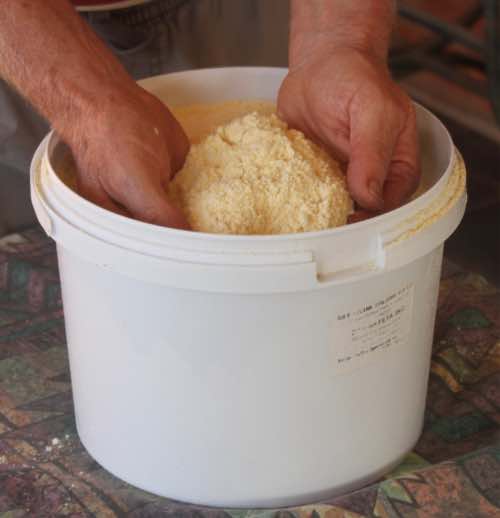

It's an overly busy world
In our busy world with television and social media taking up so much of our time, most folk are looking to save a few minutes here and there. Finding convenience foods that require little preparation is one of the ways we might seek to make reparations.
Alas that is often with severe consequences. Convenience food is usually of poor quality, ultraprocessed and expensive; and tasteless so flavour-enhancing chemicals have to be added.
Planning for a wholegrain maize-meal breakfast really should begin at least 12 hours ahead of time; that is absurd we might think. But hold on, let's look at the facts.
Quick guide
The bran needs soaking
Whole grains like legumes really should be soaked for several hours, even overnight for the bran to take up moisture; otherwise the porridge tastes gritty and the mouthfeel is less than satisfactory. And that fibre might not be as effective as a stool softener.
What is retrogradation?
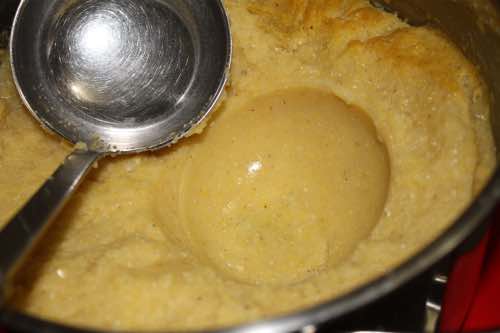 Retrograded maize-meal has incredible mouthfeel; and a low GI.
No question of it most starches today are fattening; they have a high glycaemic index and the carbs are rapidly digested to glucose. It comes as no surprise that nearly 50% of those eating typical grocery store food are prediabetic. Their future is grim; obesity, hypertension and heart disease[1].
Allowing a cooked starch to chill in the fridge overnight causes the molecules to bond together, slowing the work of the digestive enzymes in the gut; there is no glucose spike in the blood. It is not fattening, has a low GI and doesn't get stored in all the wrong places; it is instead gradually made available as energy for our muscles, organs and especially the brain.
There is no difference in the cooking time; 30 to 40 minutes on low heat. Overnight on a woodstove or in a hotbox would be even better.
The cooking time is the same
Active preparation time
So how long is the cook actually actively at work? In reality only 3 extra minutes but you still have to think ahead and start at least 12 hours before consumption; once every four or five days.
Quick grits also known as "pap" would be ready in 30 minutes.
Activity
Soaking
Cooking, stirring
Retrograding
Reheating
Quick grits
2 minutes
3 minutes
0
0
Retrograded wholegrain
2 minutes.
3 minutes to bring to the boil.
1 minute to place pot in the fridge.
2 mins to bring back to the boil, stirring.
In short cooking refined maizemeal would take 5 minutes of the chef's time daily; it would be ready to eat in about half an hour. One could of course prepare enough for several days but not many people do that.
In contrast preparing retrograded wholegrain maize would take about 8 minutes of the chef's time initially but the pap would only be ready to eat after 12 hours. Then it would require a few minutes each morning to bring the porridge back to the boil.
The cost of wholegrain vs cornflakes
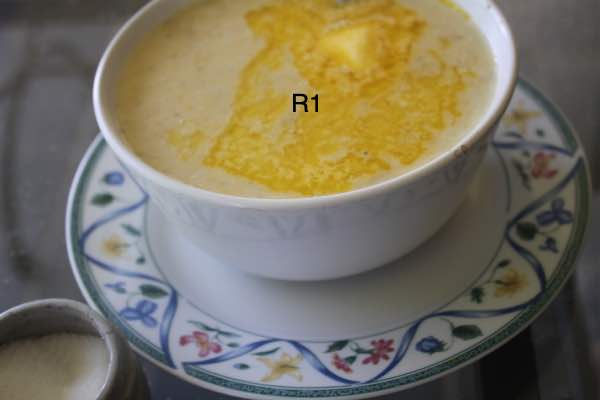
The farm price of a large bowl of yellow wholegrain maize meal (dry weight 40g) in South Africa is only 16c. More realistically one should work on about R1 including the cost of 1/2 cup of milk and a lump of butter; an astonishing 20 breakfasts for just a dollar.
The cost of a bowl of ultra-refined maize meal, also known as grits would be much the same.
The cost of a helping of cornflakes (40g) on the other hand, excluding any milk would be around R3; that is a true convenience food but has far less nutritional value.
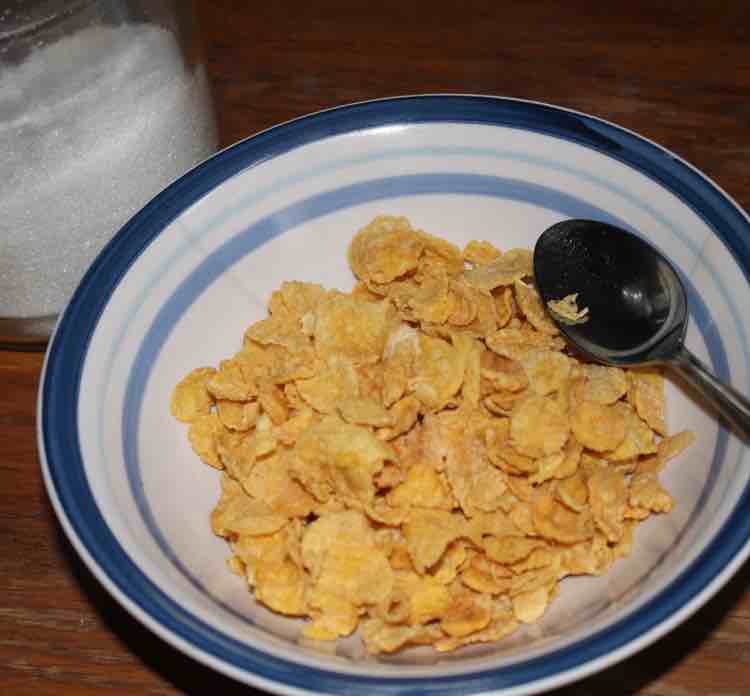 R3 for 40g; it's tasteless so will need lots of sugar.
Fibre in wholegrain maize-meal
Less than 5% of those enjoying typical grocery store food which would include cornflakes are getting the required dietary allowance of fibre; it comes as no surprise that bowel diseases in general and constipation are so rife.
100g of our dry wholegrain maize-meal contains about 21 grams of fibre.
So each large bowl of our porridge would supply about 7g of fibre; about 20% of the RDA, more that most people get from their grocery store food in a whole day.
Reports on cornflakes vary between 2,5 and 4.5 grams; less than a quarter of that in the wholegrain meal.
Protein in wholegrain maize-meal
The amount of protein varies considerably but on average you can work on about 10g per 100 grams of the dry meal.
100g of the dry grain makes about 2 to 3 large bowls of porridge, each containing about 4 grams of protein; not including that in added milk or yoghurt.
Cornflakes contains about 20% less protein at 8 grams per 100g.
Fat in wholegrain maize-meal
Our dry yellow wholegrain maize-meal contains about 11g of fat per 100 grams.
Cornflakes is described as a low fat cereal; and most of the oils are also extracted from super-refined maizemeal to improve its shelf life.
Remember that it is the refined carbs that in the main make us obese, not the fats; they help with absorption of the carotenes and provide satiety.
Those enjoying whole foods need have no fear of fat; 60% of the brain remember.
Satiety of wholegrain
Satiety of a meal is supplied by fat, protein and fibre. Our wholegrain yellow maize-meal scores on all three counts. These properties slow the release of the carb from the stomach; and via the incretin hormones, message the brain and the pancreas when you've had enough to eat. That makes it more difficult to overindulge.
You will find that a large bowl of true wholegrain yellow maize-meal is incredibly satisfying; you will have no desire to snack at 11 o'clock.
Why do we choose yellow over white maizemeal?
Probably the most important function of beta-carotene is that by splitting into two in the liver it is changed into a compound called retinol; which is vitamin A.
Why do we choose yellow instead of the more traditional white maizemeal is a question you may be asking. It's tastier, more nutritious and has less carb is the short answer; but in reality there are added complexities.
A very important nutrient called beta-carotene gives it that yellow colour. Over 40 children astonishingly die every single day in South Africa from a deficiency of vitamin A; many of them from conditions associated with blindness[2].
From the horse's mouth
The material expressed on this page is gleaned from the nutritional and environmental literature; it is clearly referenced. A plain distinction is made between the author's opinion and that which is scientifically proven. When in doubt consult your health professional.
To suggest a correction or clarification, write to Dr Bernard Preston here. Contact.
But there's a problem
The problem is that true wholegrain maize-meal is incredibly difficult to find. We eventually bought a mill that will grind both maize and wheat for flour.
True wholegrain bread is equally important to us.
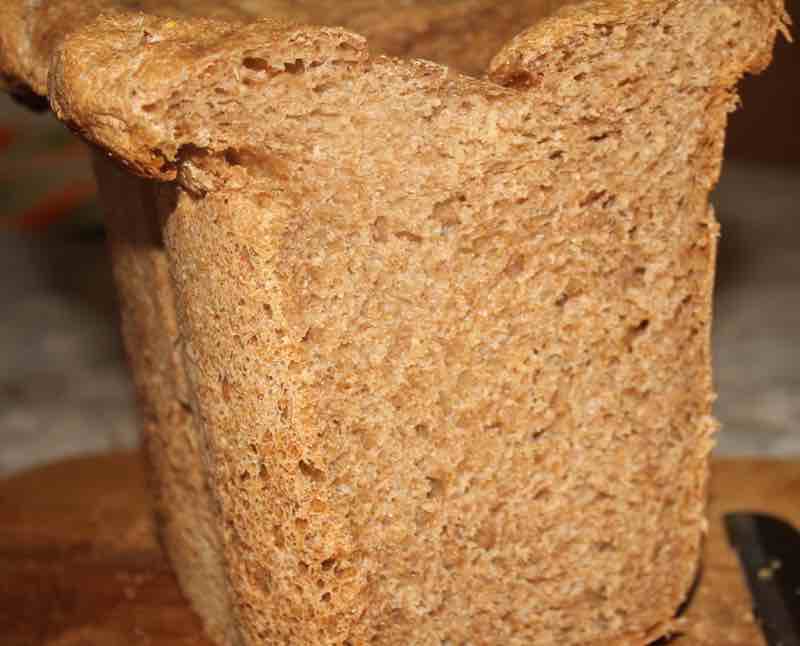
Is wholegrain maize-meal a convenience food?
Is wholegrain maize-meal a convenience food? The answer is a complex no but also yes; the actual time spent by the cook is little more but enough for 4 breakfasts is prepared.
From the journals
When browsing use right click and "Open Link in New Tab" or you may get a bad gateway signal.
Newsletter
Our newsletter is entitled "create a cyan zone" at your home, preserving both yourself and Mother Earth for future generations; and the family too, of course. We promise not to spam you with daily emails promoting various products. You may get an occasional nudge to buy one of my books.
Here are the back issues.
- Lifestyle and ideal body weight
- What are ultra-processed foods?
- Investing in long-term health
- Diseases from plastic exposure
- Intensive lifestyle management for obesity has limited value
- A world largely devoid of Parkinson's Disease
- The impact of friendly bacteria in the tum on the prevention of cancer
- There's a hole in the bucket
- Everyone is talking about weight loss drugs
- Pull the sweet tooth
- If you suffer from heartburn plant a susu
- Refined maize meal and stunting
- Should agriculture and industry get priority for water and electricity?
- Nature is calling
- Mill your own flour
- Bake your own sourdough bread
- Microplastics from our water
- Alternative types of water storage
- Wear your clothes out
- Comfort foods
- Create a bee-friendly environment
- Go to bed slightly hungry
- Keep bees
- Blue zone folk are religious
- Reduce plastic waste
- Family is important
- What can go in compost?
- Grow broad beans for longevity
- Harvest and store sunshine
- Blue zone exercise
- Harvest and store your rainwater
- Create a cyan zone at your home
Did you find this page interesting? How about forwarding it to a friendly book or food junkie? Better still, a social media tick would help.
- Homepage
- Nutritional value of corn for humans
- Why do we choose yellow maizemeal?
- Is Wholegrain Maize-meal a Convenience Food
Address:
56 Groenekloof Rd,
Hilton, KZN
South Africa
Website:
https://www.bernard-preston.com