- Homepage
- A sound and blameless body
- Food for Function Or Pleasure
Food for function or pleasure
Food for function or pleasure is a non-starter; you can have your cake and eat it, metaphorically speaking, of course.
If you read prodigiously about food it might seem that in the eyes of many, one has to choose between nosh that is good for us and that which brings pleasure to the taste buds. You simply can't have your cake and eat it; no two ways about it.

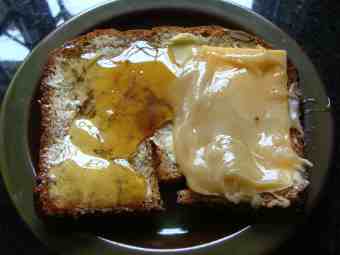
That is a tough call, if you believe it but honestly it simply isn't true. Partial re-education of what is sometimes called "the trigeminal experience," the nerve that conducts much of the sensation from the mouth to the brain, may be called for but functional food really can bring you great pleasure too.
Now take it a step further than the mouth. Our food should also bring pleasure to the whole of the alimentary canal. If the tongue thinks it tastes great but it brings you awful indigestion in the middle of the night or rabbit pellets in the stool, then perhaps it's time for a rethink.
What are functional foods?
Loosely speaking functional foods promote our well-being and contribute to preventing disease. Does a strawberry not taste wonderful and also help stop you from going blind?
Will munching a slice of real bread and butter, with no need for jams, jellies or ham not only bring a marvelous trigeminal experience but also ameliorate that awful constipation?
Fresh from the oven, real bread made with 100% flour brings all the benefits of the germ and bran; especially when prefermented using the sourdough method, it gives great pleasure to any meal.
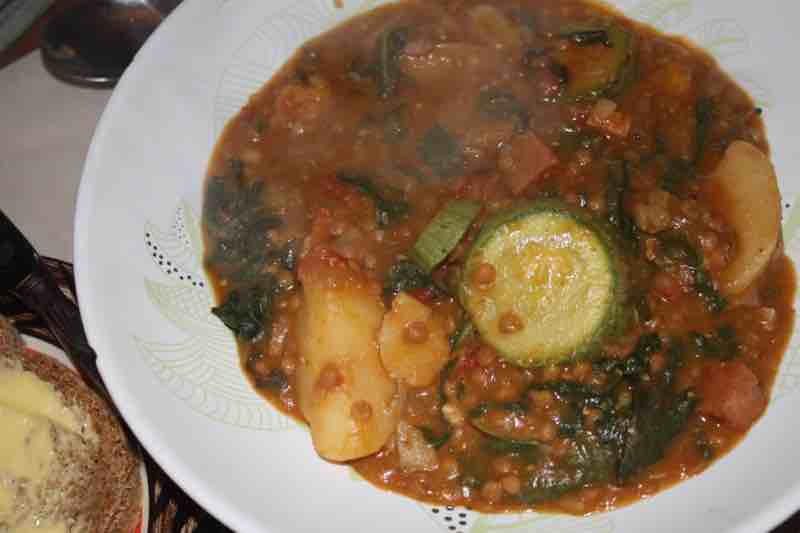
A lentil potage not only brings a rich source of vegetable protein to the table but prepared with onions, peppers and carrots it fully satisfies our demand for function and pleasure; it tastes simply divine.
Controversies and pitfalls
There is nothing simple about food for function and pleasure; you'll come across many opinions, a few based on fact but others entirely fictitious. Some will confuse and contradict everything you believe. Controversies and pitfalls lie in wait for every lover of a good dinner.
Here are a few that may confound you.
- Is a meal high in fat but low in starch the only way to lose weight? All the ketogenic people think so.
- Should we absolutely avoid wholemeal bread and avocados because they are high in an "anti-nutrient" called an oxalate? Or is that dictum only for those suffering from kidney disease?
- Is gluten appalling for the tight-junctions of the bowel and can it only contribute to pain and inflammation in the body? There are some reports that nearly a third of Americans believe so and are trying to avoid this important protein found mainly in wheat.
- Will all honeys absolutely make you fat and diabetic, satisfying your pleasure but totally disregarding function? Is it any better or worse, or just the same as sugar?
These are all challenging thoughts. Pilgrim's Progress was beset by Difficulty Hill and the Valley of the Shadow of Death; ours is little different.
The whole grain controversy
There is strong research indicating that those who regularly enjoy whole grains experience far more wellness. The problem is that they are often difficult to get, need extra chewing and take longer to cook; and viewed as a "health food" are often priced far higher.
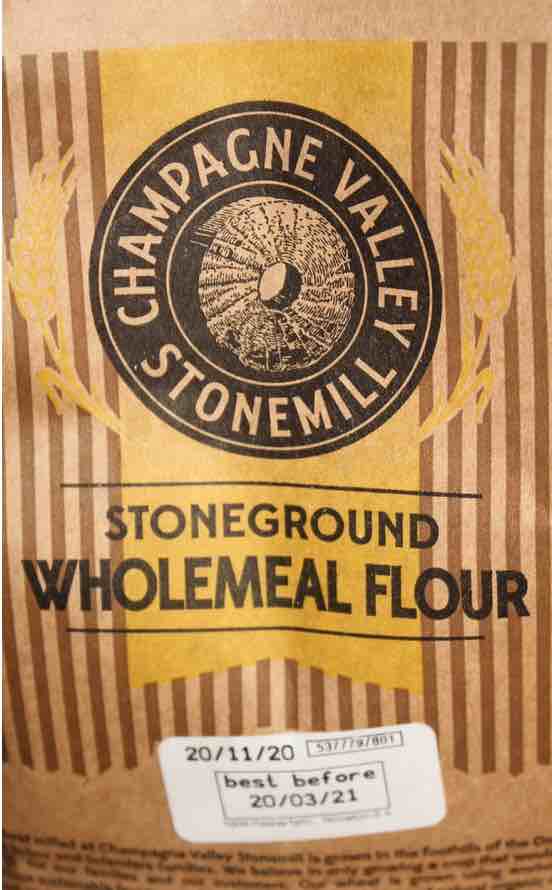
Worse there is a big fat lie that makes many commercial loaves, rolls and pasta appear to be a whole grain, when they aren't. One would confidently assume that the flour in the photograph above from Champagne Valley in South Africa contains 100% of the grain but it does not.
By international law millers may remove up to 40 percent of the goodies and still label it wholemeal. Most of the fat, some of the protein and the vitamin E in the germ have been extracted; the flour would go rancid long before four months.
Some of the bran is also extracted.
There are three strong movements worldwide that recommend you avoid wholegrain flour products altogether; one because of the so-called antinutrients, the ketogenic diet folk and the third owing to the gluten it contains.
So do you go for real bread, made with sourdough? It too is full of "anti-nutrients," carbs and gluten. Or do you choose a refined multigrain commercial loaf?
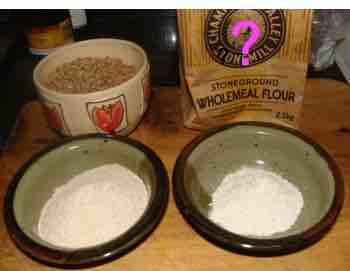 True 100% wholegrain is quite different.
Obesity
"Obesity is far more complex than simply eating too much or exercising too little."
- Medscape Endocrinology
Obesity kills twice as many people as starvation and since the pandemic, it is probably three times; the virus is targeting those with chronically raised blood glucose.
Ever since Ancel Keys cherry-picked the data in his Seven Countries Study resulting in Americans changing from a diet high in meat, dairy and eggs to one containing huge amounts of refined carbohydrate, obesity has grown in leaps and bounds; and along with it diabetes and insulin-resistance.
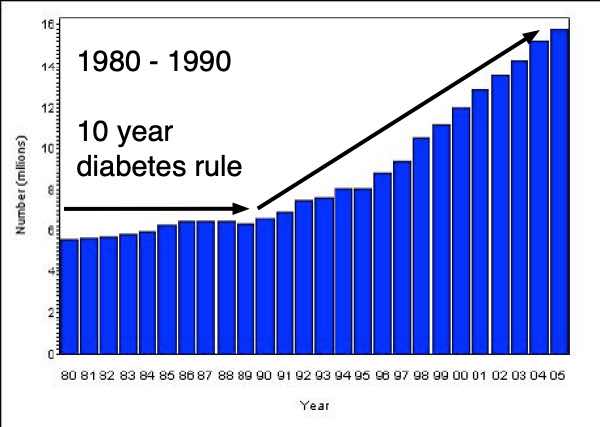
The subject remains hugely controversial[1] but in choosing food for function or pleasure, you can expect to be nonplussed. Even the experts are confused.
There is a safe zone poised between the two extremes, supporting neither a diet high in animal products and low in all starches, nor loaded with refined carbs; but rather enjoying whole foods for satiety. It might be rich in avocados and olives, for example and also containing many legumes and 100% grains. None of it will be ultra-processed.
It's the refined carbs that are the devil. Tasteless and devoid of fibre they demand large amounts of salt and sugar; and leave us constantly feeling famished, reaching for colas and crisps.
That alas means completely avoiding commercial loaves, cakes and cookies. Turn instead to baking your own low GI bread at home; the great difficulty to be faced is acquiring 100% wholemeal flour. Your own wheat grinder is the only solution unless you are lucky enough to have a local miller.
Anti-nutrients
It is certainly true that anti-nutrients like oxalate, phytates and lectins reduce the absorption of some minerals such as iron and calcium. They are found mainly in fruits, vegetables and grains; and nuts too. But interestingly vegetarians are no more prone to osteoporosis and anaemia than the omnivores amongst us.
That's not true of vegans though; they are prone to a much greater chance of osteoporotic fracture[2].
These foods are much richer in the minerals that the anti-nutrients
inhibit. Just compare the calcium in 100% meal with that in cake flour.
Foods rich in these substances are overwhelmingly important for function but also for pleasure. What tastes better than a half a dozen freshly-cracked nuts? Is a plateful of blueberries and cream not superb?
There is a prominent cardiologist who makes a very strong case against anti-nutrients but then utterly spoils his case by saying you can enjoy them if you buy his supplement; don't be fooled.
You can have your cake and eat it, metaphorically speaking, of course; there is no strong case against anti-nutrients in the discussion of food for function or pleasure. Neither do the oxylates in spinach cause kidney stones.
Gluten
There is no doubt whatsoever that there is a tiny group, less than 1% of people who cannot tolerate gluten even in small quantities; it causes a very serious bowel disease called coeliac sprue.
Yet reading the media it would seem that many so-called experts would have everybody avoid all foods that contain the protein in flour called gluten; it gives bread its unique properties. Instead they are encouraged to eat ultra-refined grains.
Read more about its structure and function at this meaning of gluten page.
Interestingly and importantly you can give this whole controversy the miss by simply baking your own sourdough bread. A bacterial culture that you grow in your own kitchen acts as a pre-ferment, digesting the gluten even before it reaches the small intestine.
It is a terrible mistake for the majority to choose gluten-free products. Opting instead for costly ultraprocessed grains is a disaster; it's all about the bottom line, not your health. They are highly glycaemic. There's a whole industry out there waiting to dupe us.
Bake your own sourdough bread. Can I let you into a little secret? There's a massive markup, nearly nine times. The profit margins on "health foods" is far higher. Make it yourself; it takes only five-minutes every day.
The taste is simply divine, fulfilling all the criteria of food for function or pleasure.

Natural honey
Researchers found that commercial honey in Germany[3] does indeed have a very high glycemic index; but those varieties from small beekeepers which are unprocessed and rich in pollen astonishingly have a low GI.
Food for function or pleasure
Food for function or pleasure should not really be up for discussion.
From the journals
- Insulin resistance @ The Pharmaceutical Journal.
- Vegan diets and risk of fracture
- Glycaemic and insulinaemic properties of some German honey varieties
When browsing use right click and "Open Link in New Tab" or you may get a bad gateway signal.
The material expressed on this page is gleaned from the nutritional and environmental literature; it is clearly referenced. A plain distinction is made between the author's opinion and that which is scientifically proven. When in doubt consult your health professional.
To suggest a correction or clarification, write to Dr Bernard Preston here. Contact.
Newsletter
Our newsletter is entitled "create a cyan zone" at your home, preserving both yourself and Mother Earth for future generations; and the family too, of course. We promise not to spam you with daily emails promoting various products. You may get an occasional nudge to buy one of my books.
Here are the back issues.
- Lifestyle and ideal body weight
- What are ultra-processed foods?
- Investing in long-term health
- Diseases from plastic exposure
- Intensive lifestyle management for obesity has limited value
- A world largely devoid of Parkinson's Disease
- The impact of friendly bacteria in the tum on the prevention of cancer
- There's a hole in the bucket
- Everyone is talking about weight loss drugs
- Pull the sweet tooth
- If you suffer from heartburn plant a susu
- Refined maize meal and stunting
- Should agriculture and industry get priority for water and electricity?
- Nature is calling
- Mill your own flour
- Bake your own sourdough bread
- Microplastics from our water
- Alternative types of water storage
- Wear your clothes out
- Comfort foods
- Create a bee-friendly environment
- Go to bed slightly hungry
- Keep bees
- Blue zone folk are religious
- Reduce plastic waste
- Family is important
- What can go in compost?
- Grow broad beans for longevity
- Harvest and store sunshine
- Blue zone exercise
- Harvest and store your rainwater
- Create a cyan zone at your home
Did you find this page interesting? How about forwarding it to a friendly book or food junkie? Better still, a social media tick would help.
- Homepage
- A sound and blameless body
- Food for Function Or Pleasure
Address:
56 Groenekloof Rd,
Hilton, KZN
South Africa
Website:
https://www.bernard-preston.com