- Homepage
- Eco-friendly homes
- Our Green Home
- The happy Tum
- Ultra-processed Foods and Colorectal Cancer
Ultra-processed foods and colorectal cancer
Ultra-processed foods and colorectal cancer (CRC) are strongly associated with a 25% increase in the hazard ratio. Typical grocery store food is alarmingly now affecting much younger persons.
Colorectal cancer was traditionally a disease that affected older people; but with ultra-processed foods now covering around three quarters of grocery store shelves there has been a shift away from high fibre foods to those that have been refined.
In addition many chemicals like food
stabilizers and emulsifiers are being used; soybean and sunflower oils
have drastically increased the amount of polyunsaturated fats
particularly in baked goods.
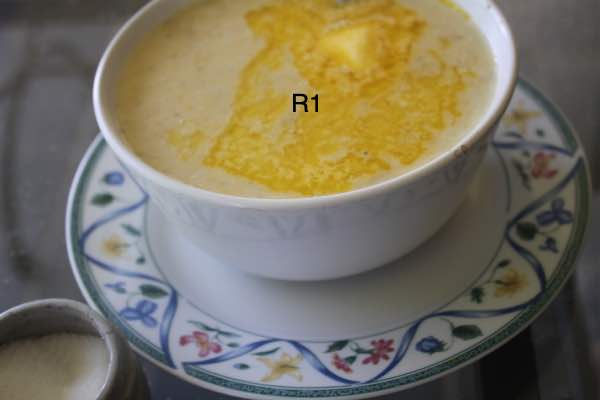 100% wholegrain yellow polenta is rich in fibre; and cheap.
Effect of processed food on the gut bacteria
Scientists tested the stool samples of a group of about 500 people. They found that a diet characterised by large amounts of industrially processed food and low in fibre-rich meals increased the number of enterotoxic bacteria in the gut.
They assessed these meal patterns giving what they called the "Colorectal Cancer Microbial Dietary Score (CMDS)." They then applied this to a very large group of health professionals from the US over a 20 year period.
After adjusting for other acknowledged causes of CRC they found that food with a high CMDS was a predictor of a 25% increased risk of the disease.
E coli and other enterotoxic bacteria
Ultra-processed foods low in fibre change the composition of the bacteria in the gut from those generally known as the friendly flora to pathogens that are decidedly toxic.
A healthy microbiome produces short-chain fatty acids like butyrate that supply the lining of the gut with important nutrients; and have a very important function in normalising the generalised inflammatory response in the body.
- The cells lining the GI tract act as a major endocrine organ regulating many functions such as appetite, insulin release and nutrient absorption.
- A variety of cells lining the gut secrete these specific hormones.
- These hormones regulate many organs such as the liver, pancreas and brain.
- Nature Reviews: Gastroenterology and Hepatology
The surge in bacterial species known to be toxic to the gut is strongly associated with the dramatic rise in recent years of colorectal cases, particularly in younger people.
In scientific verbiage ultra-processed foods "modulate" the microbiome; and hence the cells lining the gut many of which produce profoundly important hormones.
These bacteria also increase the formation of the dangerous tau proteins that are carried to the brain via the vagus nerve, also raising the risk of dementia and stroke.
The take home
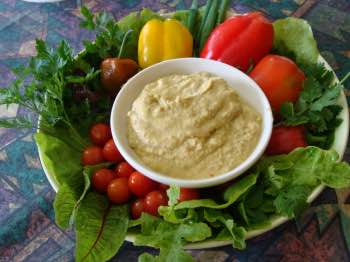 Notice the high-fibre coloured foods
The take home from this study is that it behooves all of us to eschew ultra-processed foods and to increase the fibre rich meals that our forebears ate.
Only 5% of those eating typical grocery store food are currently consuming the recommended 35 grams of fibre per day.
Ultra-processed foods low in fibre can be quickly swallowed. Salads, whole grains like corn on the cob and legumes require far more chewing; meals take longer.
One other benefit is that enjoying unprocessed foods increases the bulk of the stool decreasing constipation with all the attendant risks of other bowel diseases too.
Corn on the cob and unpolished brown rice are the only two readily available unprocessed grains that I know of; quinoa is being mentioned too. Eat one of them daily for protection from colorectal cancer; it's the fourth most common malignant tumour.
 Maize cob on the plant
Corn on the cob is also a rich source of two essential phytonutrients required by the retina in the eye to prevent adult-onset macular degeneration.
Surprisingly chewing fibrous food like corn on the cob also lessens the likelihood of dementia.
Probiotic foods
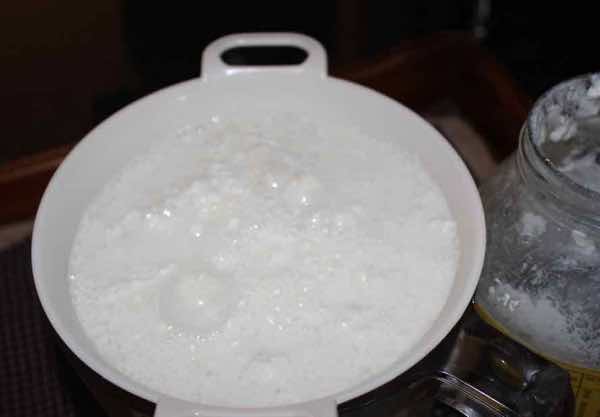 Kefir is the easiest probiotic
From a practical point of view another tool that can be simply used to inhibit the pathogenic bacteria that cause colorectal cancer is enjoying homemade probiotics like kefir and sauerkraut; and our own brews.
Kefir is a very strong yoghurt enjoyed by those in the Balkans for centuries; it can be made in less than five minutes in the home kitchen. Turning it into a smoothie softens the sour taste.
Probiotics have little value in those eating a low fibre diet; so we would recommend for example adding a tablespoon of freshly-ground nuts and seeds to your smoothies.
Another significant benefit is that a healthy microbiome greatly decreases the likelihood of dementia.
- Cut dementia by nearly a half with these modifiable risk factors.
The material expressed on this page is gleaned from the nutritional and environmental literature; it is clearly referenced. A plain distinction is made between the author's opinion and that which is scientifically proven. When in doubt consult your health professional.
To suggest a correction or clarification, write to Dr Bernard Preston here. Contact.
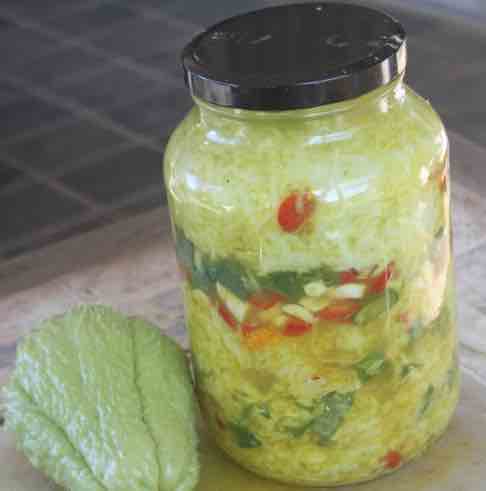 Virtually all foods can be fermented
Traditional food
There are already signs that Americans are returning to growing their own food. They along with Australia and China are in the top three countries where gardening has become important; for example growing green beans for protein.
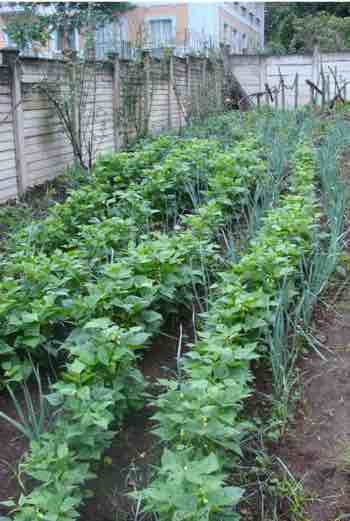 Green beans interspersed with leeks
Getting away from the ultra-processed foods that cause colorectal cancer will be difficult for many; but the alternative is too ghastly to contemplate.
Just ask anyone with a colostomy.
From the standpoint of doctors of every ilk it is tragic to have to tell a patient that the pain in their spine and pelvis is not being caused by arthritis or subluxations but by a metastasis from a malignant colorectal tumour.
So too the likelihood or Parkinson's Disease is greatly reduced by a diet rich in fibre and natural probiotics like sauerkraut and kefir.
Changes of bowel habits and a significant bleed are ominous signs. The strong recommendation is not to wait until disease strikes; making a dietary change need not be the bear that it is assumed to be.
Another not so small benefit is that greatly increasing the fibre from our food will help normalise blood glucose and almost certainly mean that we will no longer have to follow tiresome diets that in case we know don't work.
"The word dieting brings to mind deprivation, being miserable and uncomfortable; and ultimately knowing deep down that all your weight-loss efforts will fail."
- Samantha Heller, nutritionist.
whole grain polenta
Whole grain maize products are available in some retail stores but you will have to search for them. They are not particularly popular because they should be retrograded overnight before consumption and certainly have a limited shelf life.
We choose yellow maize products because of their beta-carotene content.
Milling our own grains has become central to our way of life at Our Green Home. I cannot emphasise enough what a relief it has been to personally escape from the ravages of GERD and chronic constipation. Just the good sleeps that are now the norm have made this journey worthwhile; and the fear of colorectal cancer.
 Whole grain grits is very rich in fibre
Discovering how difficult it was to locate fresh true whole grains, the decision was made that a part of designing an eco-friendly home would for us include the purchase of a small mill. The cost of our unprocessed carbs immediately plummeted so the device was paid off in less than a year. Breakfasts became nutritious, cheap meals.
Ultra-processed foods and male infertility
Ultra-processed foods of course reach far deeper into human illness than colorectal cancer. A decline in male fertility is another great concern; it contributes almost a half to the woes of childless couples.
Strong research known as a meta-analysis of many studies clearly shows that ultraprocessed foods cause hormonal changes and poor semen quality[2] in men enjoying typical grocery store meals; refined grain products such as the usual supermarket loaf, processed meats and beverages sweetened both with either sugar or artificial chemicals such as saccharin, for example.
These "industrial foods" cause generalised inflammation in the body, disrupt the endocrine system and inhibit the friendly bugs in the gut known as the microbiome; both colorectal cancer and male infertility are simply two of many examples.
The only escape for those who dread succumbing to one of the degenerative diseases like diabetes that are soaring is a return to "minimally processed" foods and a simpler lifestyle.
Just the extraction of fibre alone from our food has devastating consequences.
Ultra-processed foods and colorectal cancer
Ultra-processed foods and colorectal cancer are correlated because of
a change in the microbiome; a large increase in the toxic pathogens that
attack the lining of the gut. Those willing to change their dietary regimes will find that a return to the happy tum is eminently possible.
From the journals
When browsing use right click and "Open Link in New Tab" or you may get a bad gateway signal.
Newsletter
Our newsletter is entitled "create a cyan zone" at your home, preserving both yourself and Mother Earth for future generations; and the family too, of course. We promise not to spam you with daily emails promoting various products. You may get an occasional nudge to buy one of my books.
Here are the back issues.
- Lifestyle and ideal body weight
- What are ultra-processed foods?
- Investing in long-term health
- Diseases from plastic exposure
- Intensive lifestyle management for obesity has limited value
- A world largely devoid of Parkinson's Disease
- The impact of friendly bacteria in the tum on the prevention of cancer
- There's a hole in the bucket
- Everyone is talking about weight loss drugs
- Pull the sweet tooth
- If you suffer from heartburn plant a susu
- Refined maize meal and stunting
- Should agriculture and industry get priority for water and electricity?
- Nature is calling
- Mill your own flour
- Bake your own sourdough bread
- Microplastics from our water
- Alternative types of water storage
- Wear your clothes out
- Comfort foods
- Create a bee-friendly environment
- Go to bed slightly hungry
- Keep bees
- Blue zone folk are religious
- Reduce plastic waste
- Family is important
- What can go in compost?
- Grow broad beans for longevity
- Harvest and store sunshine
- Blue zone exercise
- Harvest and store your rainwater
- Create a cyan zone at your home
Did you find this page interesting? How about forwarding it to a friendly book or food junkie? Better still, a social media tick would help.
- Homepage
- Eco-friendly homes
- Our Green Home
- The happy Tum
- Ultra-processed Foods and Colorectal Cancer
Address:
56 Groenekloof Rd,
Hilton, KZN
South Africa
Website:
https://www.bernard-preston.com