- Homepage
- Keep your plate colourful
- Red foods for better health
- Fresh Tomato Recipes
- The Tomato Prostate Link
The tomato prostate link
The tomato prostate link is now conclusively proven in the literature; many tumours are preventable as is inflammatory disease of the gland. We will also discuss the management of the engorged angry organ.
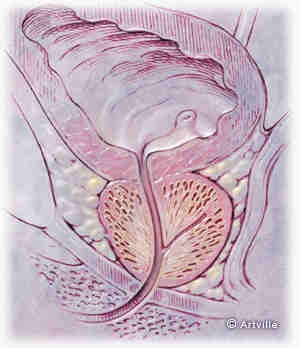
The prostate gland is usually described as being about the size and shape of a walnut. It surrounds the tube that carries urine from the bladder to the exterior. Its function is to produce the white fluid that carries the sperm cells.

Quick guide
Three main problems can occur in the prostate gland:
- Enlargement, called benign prostatic hyperplasia, or BPH.
- Highly malignant prostate disease.
- Inflammation or infection, called prostatitis.

This is an enlarged prostate gland, bulging into the bladder and blocking the urethra, the tube that carries urine via the penis to the exterior.
Prostate disease and impotency
Prostate disease is the most common serious malignancy in men; more than a quarter. Often it is life threatening and, because it often metastasizes to the bones of the pelvis and spine, it can be an extremely painful way to the end of a man's days.
Surgery often leaves the poor victim impotent, that very emotion laden word that those from Mars avoid thinking about.
Every chiropractor has to be on the lookout. Lower back and pelvic pain takes up 60% of his or her day.
Only other men get prostate trouble, is that not right? No, I fear, it is dreadfully wrong.
Instead shall we focus today on prevention of prostate disease and in particular enjoying a tomato a day? If the family ostrich is blithely convinced that he will never have problems from the most common tumour affecting men then perhaps you, the good wife should be doing the thinking instead.
That is if you do not want to have an impotent husband; or something a lot worse.
The first sign of prostate disease is usually a problem having a pee. Is he urinating more frequently because of not being able to empty the bladder properly? Difficulty maintaining a full, strong stream is another symptom.
But that sign also goes commonly with a another condition called benign prostatic hyperplasia.
Prostate tissue is particularly vulnerable to free radical damage which is what makes it prone to malignant tumors. That is where the tomato is so beneficial; it is rich in a phytochemical called a lycopene. Broccoli, raw or cooked is a particularly good source too.
Research
proves that men low in selenium, a
powerful antioxidant, have a massive five times greater chance of
getting malignant prostate tumours. Broccoli again is a particularly
rich in the element.
Tomato also has some selenium; nearly half as much. Mushrooms are the other great source; they are all delicious foods and should be regularly on the platter.
To sum up, tomatoes, broccoli and mushrooms should be enjoyed several times every week.
What are phytosterols, and why are they vital? Having a normal prostate when you are my age, upper seventies, need not be problematic, if you start doing the right things now when you are a younger man. Simple changes, like enjoying a tomato a day, fatty fish several times a week and regularly eating foods like broccoli, fresh spinach recipes and an avocado salad are the way to go.
Benign prostatic hyperplasia
Benign prostatic hyperplasia is an enlarged but non-malignant condition.
Tomato prostate will not help, but the beta-sitosterol in avocados will; more about that later.
BPH is a common affliction in older men. The prostate swells, shutting off the tube that carries urine from the bladder. The first sign of trouble is having to get up more frequently at night to pee, dribbling, air locks, and a weak stream.
It is controversial, but we think that an occasional prostate massage has all the benefits, with none of the horrible side effects of radical surgery.
Prostatic massage is not painful, though obviously awkward as it is done rectally; ask your doctor. Some chiropractors too have been trained to perform this very useful technique. A good time to have it done is at your annual checkup when you have to drop your britches in any case; and more frequently, as needed.
Personally, I would choose the indignity of a monthly prostate massage over surgery any day. The actual procedure takes no more than two minutes.
And now a few words about prevention.
To screen for prostate disease, or not to, is the perennial medical question. There is no simple answer and the debate rages on; for it seems that early detection may not actually be saving lives.
What is agreed is that men should learn all they can about early detection and treatment for prostate conditions, so that they can make their own informed decisions.
That is basically what our website is about anyway; helping you make informed decisions. And firmly placing the chiropractic emphasis on prevention where it belongs; it is worth more than a pound of cure. We think it wise that after age 45, every man should have two procedures.
- A PSA blood test and
- A rectal examination every year.
The latter is not very pleasant, though far more sensible than being
faced
with a common, extremely painful disease that leaves men impotent. If
your doctor does not insist on it, then you should. Your second
ounce of prevention is a tomato a day for your prostate; do some reading
about lycopenes.
The good news is that there is very strong evidence that a delicious tomato eaten every day, actually halves
the rate of prostate disease. Hence the monsoons, as my grandmother
used to say whenever the word science was mentioned; perhaps we should
change that to mushrooms.
It was originally noticed that Italian men had far fewer prostate tumours. Scientists agree that it is the humble tomato which acts to help fight the battle on our behalf.
There is one bit of bad news. If you have had a vasectomy, you are at slightly higher risk of getting a prostate tumour; all the more reason to eat tomatoes regularly.
BPH and the microbiome
According to a group of scientists there is evidence that inflammation of the prostate is influenced by the microbiome; those friendly bacteria, viruses and yeast cells in the gut, urinary tract and other organs that sustain harmony in our bodies.
An upset of this community of friendly bugs correlates strongly with many diseases including those of the prostate.
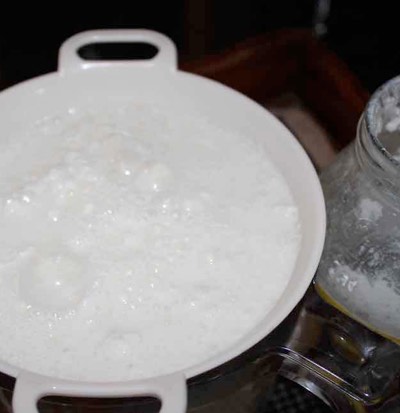
Prevention remains for ever king and uncertain cures the subservient nave; the research points to both the number of these friendly bugs and their diversity. Fermenting probiotics like kefir, sauerkraut and kimchi in one's own kitchen provides many different species. Consuming them regularly, even daily would have a hugely beneficial influence on the diseases of the prostate gland.
 An inexpensive probiotic containing over 30 different species
Lycopenes in tomatoes
Researchers at the University of Illinois found that the help comes from both lycopene, the substance that makes tomatoes red; and other unknown biochemicals in the fruit.
Says researcher Prof. Erdman, this study shows that taking lycopene as a supplement is not as effective in preventing prostate disease as eating whole tomatoes.
Lycopene is a carotenoid; that group of substances which make tomatoes red and butternut orange. They are antioxidants, powerful substances in coloured foods that improve our well-being by curtailing free radicals.
While there is much research showing the
value of eating raw food, there are some studies now that reveal that cooking tomatoes
actually triggers the effect of lycopene, making it even
more effective. Read more about how frying tomatoes in oil made the lycopene more readily absorbed[3].
Other good sources of lycopenes are watermelon and pawpaws.
“The remedy oft in thyself doth lie.”
- Shakespeare
Other research done at the University of Chicago studied a group of thirty-two patients with a neoplasm who ate every day a dish based on cooked tomatoes; their Prostate Specific Antigen marker dropped by 18 percent in less than a month.
The tomato prostate link
In conclusion eat them raw, enjoy them cooked, but consume more tomatoes, by whatever means. Also note that whilst this research has been done on the prostate gland, it make good sense that the cancer resistant properties of this fruit probably applies to all tumours, in men and women and not only tomato prostate.
If one tomato a day reduces prostate malignancies by 50%, perhaps two or three might prevent it altogether; there is alas so much that we still do not know.
For a delicious dish, tomato recipes go very nicely with a vegetable protein dish called Tofu Nutrition.
The material expressed on this page is gleaned from the nutritional and environmental literature; it is clearly referenced. A plain distinction is made between the author's opinion and that which is scientifically proven. When in doubt consult your health professional.
To suggest a correction or clarification, write to Dr Bernard Preston here. Contact.
Fresh tomato recipes
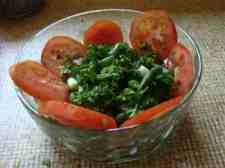
Fresh tomato recipes fit beautifully in with our slogan: delicious healthy slow food, made fast. For example, this relish takes only five minutes of preparation time, and thirty minutes cooking. Perfect for your Sunday morning healthy breakfast menu.
Tomato Prostate could be the most important page for men at Chiropractic Help.
Prostatitis
Chronic infection and inflammation of the prostate gland is a miserable, and currently untreatable condition. Antibiotics usually don't help. Since it has a very negative impact on a his sex life (pain during and after ejaculation), it cuts to the very heart of every man's being.
A quality of life survey shows that the impact of chronic prostatitis is often as devastating as that of an MI or DM. The irritation may be so severe that patients often have to take indefinite disability leave from their work.
But the illness is not life threatening; it doesn’t kill men. Unfortunately, since there are no known cures for prostatitis, doctors often feel helpless and prescribe an antibiotic just to get the patient out of the office. It is regrettable but that is how this disease is often treated.
- Johns Hopkins University medical authorities
The best and only advice concerning prostatis is prevention. In short, condomise if you (or, you suspect your spouse) have several partners and enjoy those anti-inflammatory foods that greatly reduce the incidence.
Beta-sitosterol
Beta-sitosterol is a phytosterol, with a structure similar to cholesterol, that has a profoundly beneficial effect on the gland; it doesn't prevent tumours, but it does stop the enlargement causing prostatitis. It is most richly found in avocados.
In short every male should regularly be enjoying them, and avocados, mushrooms and fatty fish on a regular basis; get started with tomato prostate tumour prevention from early on.
Why you may be asking are there notes on beta-sitosterol on this site? Because our patients are regularly complaining about difficulty passing urine, pain and incontinence; and occasionally a prostate neoplasm may be the cause of the lower back pain that a patient is experiencing.
FISH REDUCES METASTATIC PROSTATE TUMOUR deaths by 63%
- There is no strong evidence of any protection from fish consumption against prostate tumour incidence.
- The research conclusively proved a more than sixty percent reduction in death from prostatic CA.
For more about the role of the omega-3 fatty acids in reducing prostate inflammation, follow this link from the official site of The Prostate Institute (Healthy Living for Men):
- What are omega-3 fatty acids
- WAYS TO COOK SALMON
Benign prostatic hypertrophy and exercise
Researchers from University of California did a review of the literature
from the last fifty odd years, and their conclusion is that these are so important.
- Mild to moderate
exercise doesn't seem to do much for men suffering from prostate
conditions.
- But moderate to vigorous exercise reduces BPH by 25%; that's very significant. (Eur Urology; 2008)
The prostate gland and incontinence
There are 16 million American men suffering from incontinence, most of them after medical treatment for Benign Prostate Hyperplasia or a malignant tumour. Prevention is not just a buzzword. Don't assume it is only your neighbour who is going to get it.
Add-on effect
Add-on effects act with health both in a positive and a negative
sense; do all the right things and there is a good chance that the
prostate affliction won't affect you or your husband if you are a woman
reading this.
Remember that these effects all are additive. Feed him little or no fish, watch him do
no exercise and not using tomatoes in your cooking then you and your husband are set up to get the nastiest of
male afflictions. If neither you nor he have any pleasure in your greens, avocados are too expensive and you could not
be bothered with pumpkin seeds then it often means de facto the end of intimate marital relationships.
The only difficult one of all these is the exercise; and that we owe to our hearts, muscles and brains to do anyway.
Bee pollen
There are numerous studies showing the benefit of pollen on the health of the prostate gland; and in fact some showing dramatic improvement.
There are a variety of pollen extracts on the market but one other interesting alternative is to keep a beehive.
There are few more delights than watching these little creatures get on with their work of bringing you honey for the sweet tooth and pollen for your prostate.
Lightly filtered raw honey contains much
pollen and has a taste without equal; and acts an a wonderful support for your prostate gland.
Pumpkin seeds
Prevention magazine explains why the zinc in pumpkin seeds is so
beneficial for the prostate. This is confirmed by research done at the noted Linus Pauling institute, where researchers discovered that
patients with tumours of the gland have only a quarter of the zinc
compared to healthy men.
- Oregon State University: zinc[2].
- Pumpkin seeds for the prostate
The gland clearly needs a wide variety of nutrients that are deficient in many diets; the tomato, zinc and beta sitosterol but how many other unknowns? We need to eat from a wide distribution of foods.
Red meat and Green bean recipes
There is strong research proving that a diet high in red meat, especially overcooked BBQ steak and sausage dramatically increases the rate of prostate tumours; and particularly that which is processed.
Think rather of more fish, fowl and legumes like green beans; and hummus for your protein.
Tomatoes and green beans make a remarkably fine salad dish. Easy, quick and delicious it fits in well with our motto of SLOW FOOD, MADE FAST. Legumes are also full of phytosterols.
Take the PROSTATE questionaire
- How often have you sensed that you have not emptied your bladder completely after finishing a sweet pee?
- Do you stop and start several times?
- Must you sometimes pee NOW?
- Is the stream weak?
- Do you have difficulty getting started?
- Do you have to get up several times at night to pee?
- Do you sometimes have to pee again in less than two hours?
Pain in the upper leg and groin is a common complaint at the coalface. Usually it's related to an upper lumbar subluxation, or a hip condition like Femoro Acetabular Impingement syndrome but always the astute clinician is on the look our for swollen lymph nodes. The prostate can be a very nasty gland when neglected. Have a tomato and an avocado today.
Researchers at Colorado State University, after following half a million people found that the risk of a malignant tumour in particularly of the digestive tract, was greatly reduced in those who regularly ate beans, tomatoes and carrots.
Our authentic hummus recipe opens the way for you to cheaply and easily have a good spoonful of garbanzo bean spread every day; perfect with any salad.
Loma Linda University researchers found that folk who ate beans three times a week were a third less likely to develop colon polyps, the precursors to a bowel neoplasm. Brown rice too was protective but the refined white had no benefit. Large intestine tumours are the second biggest cause of death in the USA from a malignancy, increasingly in younger people.
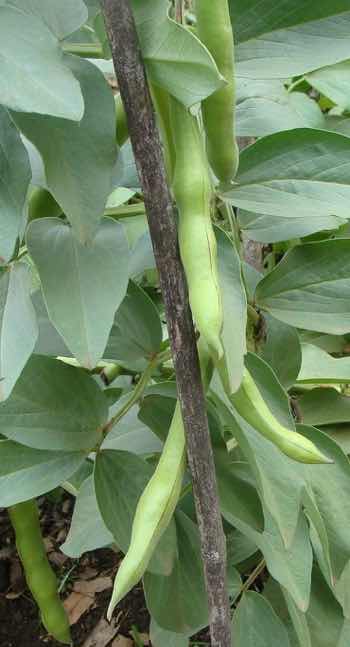
Broad beans have the triple benefit of fibre, vegetable protein and the only natural source of dopamine, the "happy hormone."
Why on a tomato prostate page? I don't believe it is stretching logic to assume that foods that reduce prostate tumours, will also minimise breast and uterine neoplasms.
And those that reduce stomach disease will also protect against prostate tumours too. It's just not proven; yet.
Bladder tumours
Bladder tumours and obviously those of the prostate go together. The breakdown products of all chemicals and foods that we eat pass through the organ before being excreted via the urine.
Prostate enlargement means that many of these toxic products remain longer in the bladder, with their nefarious effects; hence this page on the importance of the tomato.
Researcher Dr Marko Babjuk, from the Dept of Urology at Prague university, shows that a meta-analysis of many research studies proves that 66% of bladder tumours in men are caused by the breakdown products of smoking; 30pc in the ladies.
However he also outlines the effect of many chemicals, most notably aniline derivatives used extensively in paints, petrochemical industry and pesticides; and even certain analgesics. These solvents cause about 25% of bladder neoplasms.
130,000 new cases of bladder tumours were diagnosed in the European Union in 2004.
He reports on current interest in the protective effect of yellow vegetables and fruits on bladder tumours. Carotenoids and certain vitamins are now known to be protective, thus tomato prostate is part of the solution.
Lung function and tomatoes
Not only the prostate gland is helped; researchers found a close relationship between lung function and tomatoes. Again the carotene lycopene was found to be the active agent preventing the decline in lung function over a ten year period. This was even more clear in ex-smokers.
Apples and bananas also helped.
Lung function is a good predictor of mortality in the general population, in both those with lung disease and those who have never smoked. The lycopene in tomatoes has an important protective effect by reducing inflammation in the lining of the alveoli [1].
Nutritious choice foods
Nutritious choice foods are for those who are prepared to ring in a few changes like tomato prostate, for example in order to prevent the nasties that await so many of us.
I and others can lead you to water but no one can make you drink; you either choose to do these things or leave them to fate.
Useful links
Malignant tumours quite obviously are a highly complex subject and it behooves all of us to take whatever steps we can to prevent it. Over and above tomato prostate you might like to spend the time looking at these links.
From the journals
When browsing use right click and "Open Link in New Tab" or you may get a bad gateway signal.
Newsletter
Our newsletter is entitled "create a cyan zone" at your home, preserving both yourself and Mother Earth for future generations; and the family too, of course. We promise not to spam you with daily emails promoting various products. You may get an occasional nudge to buy one of my books.
Here are the back issues.
- Lifestyle and ideal body weight
- What are ultra-processed foods?
- Investing in long-term health
- Diseases from plastic exposure
- Intensive lifestyle management for obesity has limited value
- A world largely devoid of Parkinson's Disease
- The impact of friendly bacteria in the tum on the prevention of cancer
- There's a hole in the bucket
- Everyone is talking about weight loss drugs
- Pull the sweet tooth
- If you suffer from heartburn plant a susu
- Refined maize meal and stunting
- Should agriculture and industry get priority for water and electricity?
- Nature is calling
- Mill your own flour
- Bake your own sourdough bread
- Microplastics from our water
- Alternative types of water storage
- Wear your clothes out
- Comfort foods
- Create a bee-friendly environment
- Go to bed slightly hungry
- Keep bees
- Blue zone folk are religious
- Reduce plastic waste
- Family is important
- What can go in compost?
- Grow broad beans for longevity
- Harvest and store sunshine
- Blue zone exercise
- Harvest and store your rainwater
- Create a cyan zone at your home
Did you find this page interesting? How about forwarding it to a friendly book or food junkie? Better still, a social media tick would help.
- Homepage
- Keep your plate colourful
- Red foods for better health
- Fresh Tomato Recipes
- The Tomato Prostate Link
Address:
56 Groenekloof Rd,
Hilton, KZN
South Africa
Website:
https://www.bernard-preston.com