- Homepage
- What are legumes?
- Best way to cook lentils
- Peripheral Neuropathy Stuffed Vine Leaves
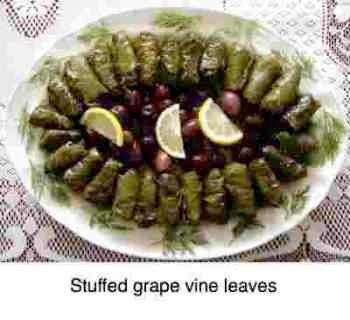
Peripheral neuropathy: Stuffed Vine Leaves
Peripheral neuropathy: Stuffed Vine Leaves are rich in vegetable protein and the very important nerve vitamin called thiamine. A deficiency causes leg numbness, tingling and weakness.
This classic Greek dish from our Olive Garden Nutrition parade typifies the healthy Mediterranean diet. It's a bit fiddly but cooked now and again will have your family oohing and aahing.
Get the kids on board to wrap the parcels so that they too can learn from an early age about the benefits of olive oil, whole grains and vegetable protein.
The material expressed on this page is gleaned from the nutritional and environmental literature; it is clearly referenced. A plain distinction is made between the author's opinion and that which is scientifically proven. When in doubt consult your health professional.
To suggest a correction or clarification, write to Dr Bernard Preston here. Contact.
Ingredients for your experiment with Olive Garden Nutrition
- 20 grapevine leaves
- 2 cups brown rice and a handful of lentil protein
- 2 cups grated onion
- 2 grated zucchinis
- A few TBSP of chopped mint (or parsley)
- 3 TBSP fresh lemon pulp
- 1 lemon sliced
- 1 cup olive oil
- Pit 1/2 cup of black or green olives.
Serious olive fans in the Mediterranean countries would never buy pitted olives; do it yourself. It's easy.
A few alternative ideas
Here are a few supportive links to consider when making stuffed vine leaves dishes.
- You can use minced beef, of course but the lentil protein is so much more wellness friendly.
- A couple chopped tomatoes and one of the mild chilis like jalapenos are optional.
- Add another sliced onion on top
of the parcels before placing the plate on them.
- Lightly simmering the onion before frying helps prevent indigestion and heartburn
- You know I hope about parsley benefits; so much more than a garnish.
- Have you ever thought of growing a lemon tree? It is perfect for every garden.
- What are the benefits of olive oil?
Stuffed vine leaves
Stuffed vine leaves are a bit fiddly but worth the effort occasionally.
Many recipes call for freshly squeezed lemon juice. It's good stuff but even better is the whole pulp. Be careful to get the pips out, though. Citrus' vital ingredients are not only found in the liquid.
Go for it
- Dip half a dozen vine leaves at a time into boiling water for a couple of minutes so they don't stick.
- Boil the grated onion and some salt in a little water until tender and the liquid has evaporated. Add half the olive oil and saute lightly.
- Mix the onion, uncooked rice and grated zuccinis together. Add the herbs and sliced olives; salt and pepper.
- Place a TBSP of the mix onto a vine leaf, and roll making a small parcel.
- Lay a couple of vine leaves first on the bottom of a large pot and place the stuffed vine leaves in a circular fashion, with the lemon slices dotted here and there.
- Add lemon juice and the remaining oil. Cover with a small plate to keep the vine leaves tightly wrapped.
- Add three cups of warm water, cover the pot and boil gently. Test one after forty minutes. Add more water if the rice isn't quite cooked. DON'T LET THEM BURN.
- Arrange the stuffed vine
leaves on a large platter with perhaps olives at the centre, or another
Mediterranean dish such as fried eggplant recipe.
- Scatter lemon slices and sprigs of mint or parsley.
The Mediterranean peoples are great on Olive Garden Nutrition, whole grains and legumes. Those are probably the main reasons why they live longer, healthier lives. Two of the five Blue Zone places where longevity is the buzzword are islands close to Italy, Greece and Turkey.
Olive oil benefits
The benefits of olive oil are of course at the very centre of Mediterranean
cuisine, so it comes no surprise that your stuffed vine leaves include a
healthy sample of Athena's gift.
If you love olives and want to eat them by the dozen then buy them by the can, and then enjoy pickling them yourself. It's really very easy and you can choose your own flavours; experiment with dill and peppadews; to buy them already pickled in small quantities is prohibitively expensive.
- PICKLING OLIVES; so easy, one quarter of the price literally.
Alternatively if you want to get into olives in a big way then buy them green from the orchards and pickle them yourself.
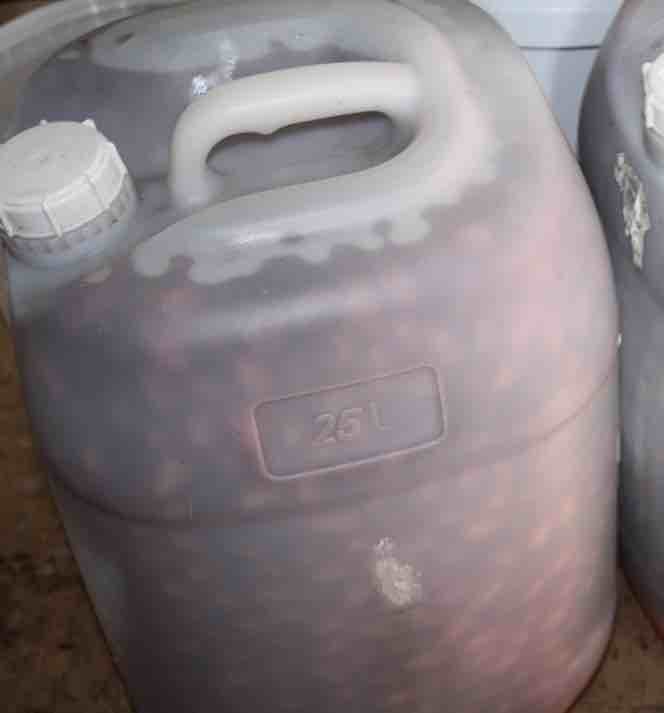
Now you can be certain that no chemicals whatsoever have been added.
Oleic acid in olive and avocado oils
Nerves are coated in a fatty myelin sheath. Without it, no conduction can occur. Ask anyone suffering from Motor Neuron Disease or Multiple Sclerosis about it.
Oleic acid is the MUFA found abundantly in olive oil and avocados; it's the main constituent of myelinl good, healthy fat is vital for nerve conduction.
And so olives and the oil is an important subject in all branches of health care; and in your stuffed vine leaves
dish. Enjoying the "fruit fats" in avocado and olives regularly, even daily is no important.
Freshly ground flax seed too is rich in oleic acid, it is the best non-fish source of omega 3 fatty acid. Read more about that at olive oil health benefits.
Brown rice
Do yourself and your family a big favour: make the decision NEVER to
buy white rice again; unpolished is the word. Why is that? Two reasons come to mind.
- White
rice has an EXTREMELY high Glycemic index. It gets turned very rapidly
into glucose in the gut. That stresses the pancreas that has to pour out
insulin to lower that blood sugar, which is then stored as FAT. GI and Carbohydrate Count Chart are important subjects. In this stuffed vine leaves recipe there will however be less of a surge because of the fibre, unpolished rice, olive oil and protein.
- The first vitamin, thiamine was discovered when astute doctors in the East noticed that the chickens of the rich (who ate white rice) also suffered from the nerve conduction manifestations of beriberi; but those of the poor did not. Whilst the frank disease is today rare, most Western people are deficient in thiamine; malaise, tingling in the lower limbs and a feeling of generalised muscle weakness is not uncommon. Nor is Peripheral Neuropathy.
Lentil protein
You'll find some sites describing compounds in legumes and nuts as "anti-nutrients;" it's because of substances like phytate content in them. They would frown on making stuffed vine leaves with lentil protein.
Others in the keto circles would also frown on your stuffed vine leaves; because of the starch content in the rice. We contend that it is the thiamine-deficient refined carbs that make us obese, prone to type-2 diabetes and suffering from neuropathies in the lower limbs.
It's probably not necessary but if you are unsure this is the best way to cook lentils.
Added synthetic phytic acid indeed adsorbes up to 50% of some of the minerals like iron and calcium.
However by soaking, cooking and exposing naturally-occurring phytates to fermentation this detrimental effect is greatly reduced. You can read more about it at are phytates bad?
The same is true of wheat and oat bran which they conveniently ignore; what we do find is that a sourdough bread recipe is a lot more friendly; and the thiamine-producing lactobacillus fermentation reduces that effect of phytates and normalises the microbiome.
In addition if you don't get some of your protein from legumes and nuts you are going to be eating far too much beef and pork. The World Health Organisation after long consideration of the scientific studies has declared that red meat is "probably" cancer causing.
Those avoiding legumes and cereals it is true will be consuming less carbs; but they will be prone to even more serious diseases like cancer, congestive heart failure and peripheral neuropathies.
So take your pick; cancer from meat or some loss of minerals by phytates from legumes?
Greek salad
There are only three ingredients that are definitive for a Greek salad; olives, extra virgin oil and feta cheese. You can barely see the bowl but there are enough for 10 to 15 apiece; if you buy large tins, they aren't expensive.
Seriously health conscious people of the Mediterranean countries would only enjoy a Greek salad with olives containing their pips; and another bowl of quick hummus.
I love the flavour of balsamic vinegar but many are preserved with toxic chemicals; read the label and rather use lemon juice if you can't find a decent condiment.
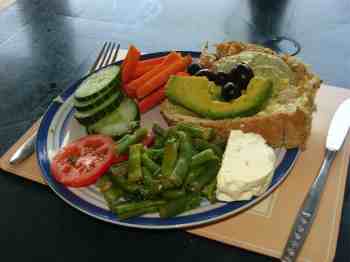 Olives, feta cheese and hummus salad
True wholegrain flour is also rich in thiamine
Once a peripheral neuropathy is established it takes large amounts of thiamine to overcome the disease. True wholegrain wheat flour is another rich source of vitamin B1; but it's much harder to obtain than unpolished rice. You will probably have to purchase a mill.
Notice the bread with the Greek salad above; it's made with 100% flour using the sourdough method. The flavour is without equal.
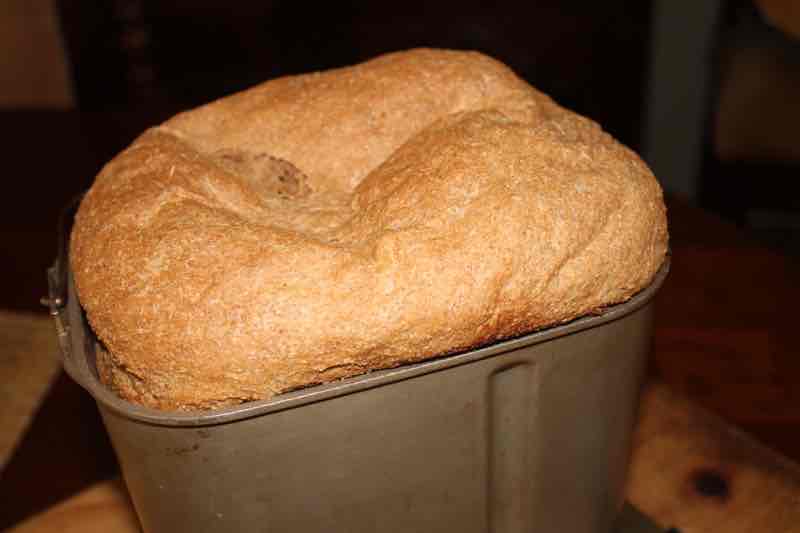 Sourdough bread baked using true wholegrain flour
Peripheral neuropathy: Stuffed Vine Leaves
Peripheral neuropathy: Stuffed Vine Leaves with true unpolished rice and lentils. This dish is rich in thiamine, the vitamin that helps prevent peripheral neuropathies and generalised muscular weakness.
From the journals
When browsing use right click and "Open Link in New Tab" or you may get a bad gateway signal.
Newsletter
Our newsletter is entitled "create a cyan zone" at your home, preserving both yourself and Mother Earth for future generations; and the family too, of course. We promise not to spam you with daily emails promoting various products. You may get an occasional nudge to buy one of my books.
Here are the back issues.
- Lifestyle and ideal body weight
- What are ultra-processed foods?
- Investing in long-term health
- Diseases from plastic exposure
- Intensive lifestyle management for obesity has limited value
- A world largely devoid of Parkinson's Disease
- The impact of friendly bacteria in the tum on the prevention of cancer
- There's a hole in the bucket
- Everyone is talking about weight loss drugs
- Pull the sweet tooth
- If you suffer from heartburn plant a susu
- Refined maize meal and stunting
- Should agriculture and industry get priority for water and electricity?
- Nature is calling
- Mill your own flour
- Bake your own sourdough bread
- Microplastics from our water
- Alternative types of water storage
- Wear your clothes out
- Comfort foods
- Create a bee-friendly environment
- Go to bed slightly hungry
- Keep bees
- Blue zone folk are religious
- Reduce plastic waste
- Family is important
- What can go in compost?
- Grow broad beans for longevity
- Harvest and store sunshine
- Blue zone exercise
- Harvest and store your rainwater
- Create a cyan zone at your home
Did you find this page interesting? How about forwarding it to a friendly book or food junkie? Better still, a social media tick would help.
- Homepage
- What are legumes?
- Best way to cook lentils
- Peripheral Neuropathy Stuffed Vine Leaves
Address:
56 Groenekloof Rd,
Hilton, KZN
South Africa
Website:
https://www.bernard-preston.com