- Homepage
- Nutritional value of corn for humans
- How to grow corn
- How Much Is a Bowl of Wholegrain Maize Meal?
How much is a bowl of wholegrain maize meal?
Ten percent of South Africans go to bed hungry every night, malnutrition is rife and more than a quarter of all children are permanently stunted by the age of five; physically and mentally.
Death of children from a vitamin A deficiency is tragically and unbelievably high.
And yet a very nutritious, filling and cheap food is grown in abundance; it is rich in beta-carotene, the precursor of vitamin A. But it goes almost entirely for animal feed. That gives it a stigma; South Africans would not eat it by and large even if it was readily available, which it isn't. We are talking about unrefined wholegrain yellow maizemeal.
If you could find it, unrefined yellow maizemeal would set you back around R250/25kg. A very large, satisfying bowl of porridge would cost about 40 cents; perhaps one rand with milk and a little butter.

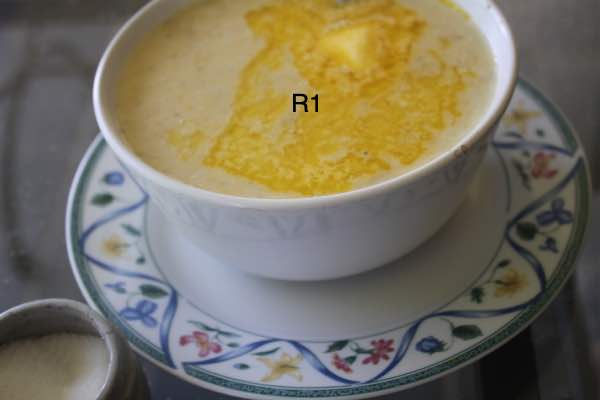 Fat as in cream or butter helps with the absorption of the carotenes. Work on R1 including the price of 1/2cup of milk.
Quick guide
Carbophobia
Because healthy carbs are almost unavailable with a few exceptions and the readily obtainable starches are so fattening, there is a powerful dietary movement to eschew them all; the baby goes out with the bathwater, so to speak. Proponents advocate the use of ketones instead of glucose for energy.
Three common exceptions to the rule exist; corn on the cob, unpolished rice and new potatoes; quinoa is also mentioned frequently. All are highly praised but few people are eating them either because they are expensive or they take a lot of chewing; that is viewed as time wasted.
There is now a deep-seated completely false belief that all grains, even those that are unrefined, will make you fat.
Whole grains like a large bowls of our polenta will help you slowly lose weight; that's the best way to do it[9]. They stimulate the natural gut hormones that regulate appetite.
"There is little support for the notion that diets lead to lasting weight-loss or health benefits.
We concluded most would have been better off not going on them at all."
- Prof Traci Mann, U of Minn, Health and Eating lab[1]
It's about how quickly those carbs are turned into blood glucose. Whole grain maize porridge is rich in fibre and still has its full complement of protein; the nutritious fat in the corn too.
They all help to reduce the GI and will not spike blood glucose; nevertheless insulin-resistant folk should check their sugars after breakfast. Strip out the fat, fibre and some of the protein means you are left only with the very glycaemic refined meal, known as the endosperm; a recipe for obesity, type 2 diabetes and hypertension.
What is a true wholegrain?
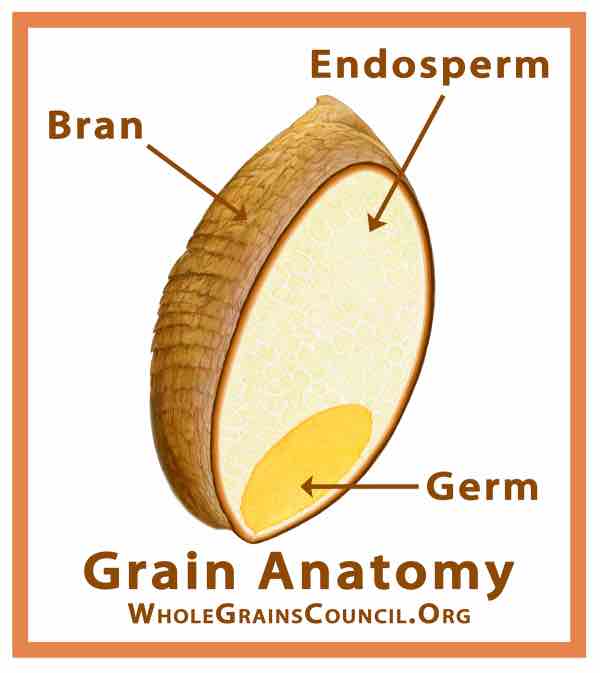
Grains consist of three distinct parts, each important in its own right; the bran, the germ and the endosperm. Yet universally two of these portions are extracted from our food and sold for animal feed.
The material expressed on this page is gleaned from the nutritional and environmental literature; it is clearly referenced. A plain distinction is made between the author's opinion and that which is scientifically proven. When in doubt consult your health professional.
To suggest a correction or clarification, write to Dr Bernard Preston here. Contact.
How much is a bowl of wholegrain maize meal?
The farm price is...
16 cents
- that's all Bernard Preston pays
Well that's not the whole truth; the sweat off his brow whilst cleaning, freezing and milling the grain should be costed into the equation. The butter probably cost more than the maize meal too.
Price per kg
- @ R4/kg (farm price)
- @ R10/kg (bulk price)
- @ R18/kg (realistic price)
Price of a large bowl of grits
- 16 South African cents
- 40 cents
- 67 cents
From the farmer
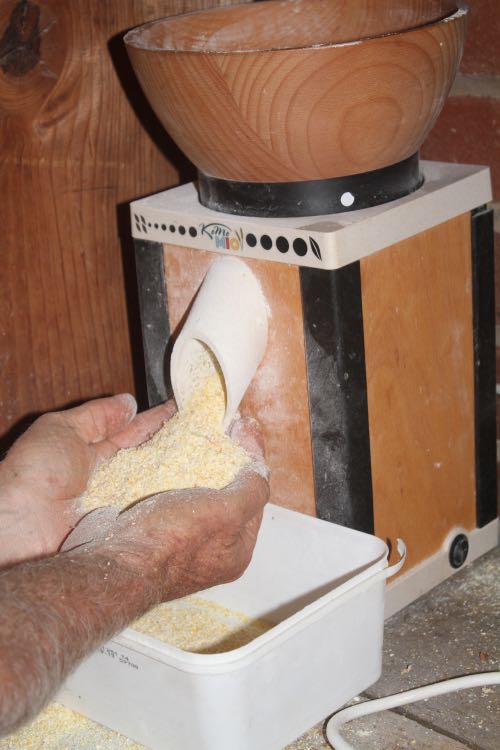
Direct from the farmer yellow maize fetches R4/kg in South Africa. It then needs to be cleaned and frozen for two weeks; and stored in air-tight containers. It will keep indefinitely; and finally ground. For those unusual people with their own mill (I do not personally know another) and who don't cost in their time, the price of a large bowl of wholegrain yellow maize meal is a measly 16 cents.
To that of course one needs to add the cost of milk, cream or honey. Fat is necessary to aid in the absorption of the important nutrients like beta-carotene in the gut.
It makes a very satisfying meal; nothing else is needed. It will provide ample satiety right through until lunch because of the large amount of fibre, fat and protein. These delay stomach emptying giving one a sense of fullness.
Bulk price of polenta
Ultra-refined white super maize meal sells for around R270/ 25kg bag. There is no reason why wholegrain yellow "polenta" as it is called in Italy should cost any more.
But it is viewed as a "health food" and so the markup is likely to be astronomical.
At Hilton Reko
At Hilton Reko we sell 600g tubs of wholegrain yellow maize meal for R10; all of the bran, germ and endosperm are present in their correct ratios. There is no separation of the parts.
At google
Google gives several brands of polenta priced from R25 to 75 per kg. It's not possible to tell whether they have been refined or not; assume they have.
Why are millers averse to selling whole grains?
Three reasons come to mind.
- Once the grain has been cracked the nutritious oils begin to go rancid; it has a limited shelf-life and should be considered a perishable product.
- There is little profit to be made from unprocessed foods.
- The market has been successfully duped into believing that refined and then enriched cereal grains are better. The public at large no longer wants to purchase true wholemeal. The porridge takes longer to cook and should be allowed to "retrograde" overnight.
Protein in maize meal
Yellow maize contains significantly more protein than white. A large bowl of wholegrain porridge with 1/2 cup of milk has about 3 grams. A 5-year old child requires about 20g per day.
No grains contain all the essential amino acids but with the milk this porridge would fit the bill.
Vitamin A
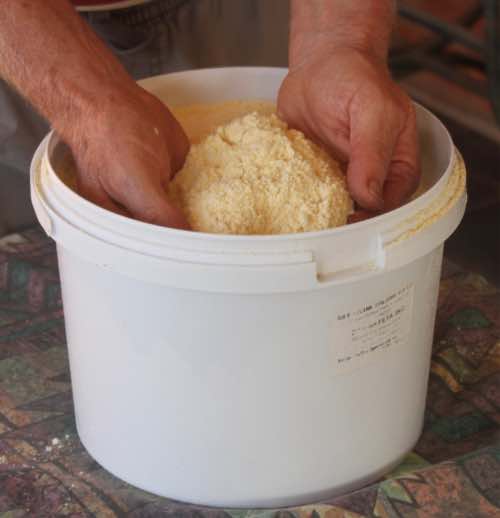
We choose yellow maize meal chiefly because of the beta-carotene, also known as previtamin A. It gives the grain its rich colour.
If every child in South Africa was daily given a large bowl of yellow whole grain maizemeal it would save at least 42 lives every day from the beta-carotene alone.
"42 children die every single day in South Africa from a vitamin A deficiency."
- The International Vitamin A Consultative Group[1]
Potassium in whole grain yellow maize meal
Yellow maize meal has a 60 times better potassium to sodium ratio; and that's before adding copious amounts of salt to tasteless white super pap and putu. This has a profound effect on lowering blood pressure.
A bowl of wholegrain maize meal also contains salt naturally but far less since the full flavour of the phytonutrients is retained after minimal processing; grinding but no sifting out of the germ and bran.
How much is a bowl of wholegrain maize meal?
How much is a bowl of wholegrain maize meal? It is remarkably inexpensive; work on about one rand for the porridge including half a cup of milk.
There is no reason why starving children should not have three helpings per day.
Add half a cup of cooked chickpeas (R2.50; 15 grams of protein), a green and a helping of butternut; the problem of hunger and stunting of children would be almost completely alleviated.
An added apple a day would keep the doctor away; citrus or other fruit.
SUMMARY
- A large bowl of whole grain yellow maize meal porridge with half a cup of milk or maas costs around one rand.
- Adding a helping of spinach, butternut and half a cup of chickpeas would keep a child healthy.
- Add an apple, portion of meat and half an avocado for even better health.
- In a sense this is all academic; it's unlikely you will be able to purchase true wholegrain maizemeal. I decided it was time to buy my own mill; one of the best decisions I ever made.
The big fat lie
Under international law millers can extract up to 40% of the goodies and still label their products as "wholemeal." Below is an example of this deceit with wheat flour, the best there is commercially available but a far cry from any truly unsifted product.
I have never seen anything even close to this with corn; only super-refined maize meal in South Africa is readily available on grocery store shelves.
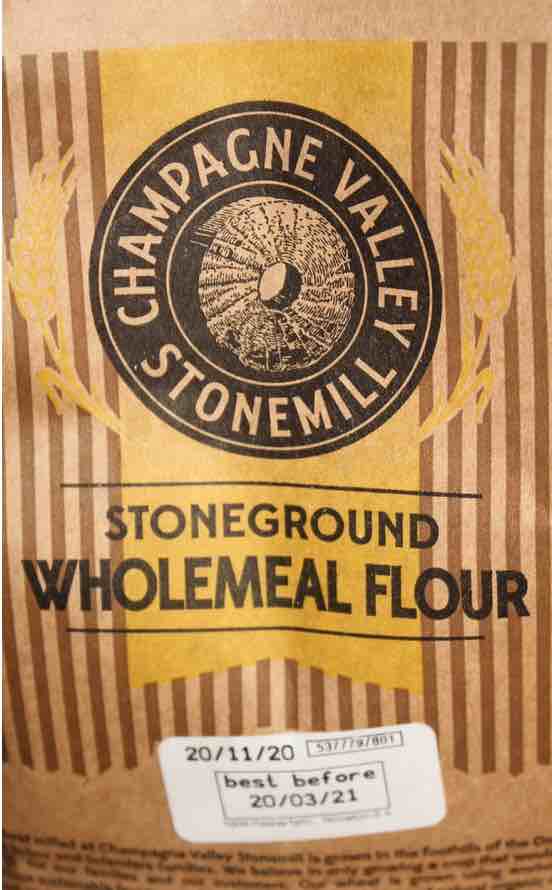 This label is perfectly legal; but it's not 100% true wholemeal.
So what is a bowl of whole grain maize meal worth?
Each bowl of maizemeal porridge costs 16 cents before adding milk, cream or honey but it's worth so much more; protection against raised blood glucose, the wonderful feeling of a full stomach and a defence against cancer.
Research particularly reveals protection of the breast and prostate against cancer; one helping a day defends one's organs by nearly 50%.
And because of the high potassium content whole grain yellow cornmeal, also known as polenta helps to keep blood pressure down.
Frankly diabetic
If you are frankly diabetic you will need to test your blood glucose an hour after a large bowl of whole grain yellow maize meal; you may have to limit the portion size.
From the journals
When browsing use right click and "Open Link in New Tab" or you may get a bad gateway signal.
Newsletter
Our newsletter is entitled "create a cyan zone" at your home, preserving both yourself and Mother Earth for future generations; and the family too, of course. We promise not to spam you with daily emails promoting various products. You may get an occasional nudge to buy one of my books.
Here are the back issues.
- Lifestyle and ideal body weight
- What are ultra-processed foods?
- Investing in long-term health
- Diseases from plastic exposure
- Intensive lifestyle management for obesity has limited value
- A world largely devoid of Parkinson's Disease
- The impact of friendly bacteria in the tum on the prevention of cancer
- There's a hole in the bucket
- Everyone is talking about weight loss drugs
- Pull the sweet tooth
- If you suffer from heartburn plant a susu
- Refined maize meal and stunting
- Should agriculture and industry get priority for water and electricity?
- Nature is calling
- Mill your own flour
- Bake your own sourdough bread
- Microplastics from our water
- Alternative types of water storage
- Wear your clothes out
- Comfort foods
- Create a bee-friendly environment
- Go to bed slightly hungry
- Keep bees
- Blue zone folk are religious
- Reduce plastic waste
- Family is important
- What can go in compost?
- Grow broad beans for longevity
- Harvest and store sunshine
- Blue zone exercise
- Harvest and store your rainwater
- Create a cyan zone at your home
Did you find this page interesting? How about forwarding it to a friendly book or food junkie? Better still, a social media tick would help.
- Homepage
- Nutritional value of corn for humans
- How to grow corn
- How Much Is a Bowl of Wholegrain Maize Meal?
Address:
56 Groenekloof Rd,
Hilton, KZN
South Africa
Website:
https://www.bernard-preston.com