- Homepage
- A sound and blameless body
- Culinary Medicine Takes Off in Germany
Culinary medicine takes off in Germany
Culinary medicine takes off in Germany since they realised just how little the average doctor knows about nutrition.
In a fascinating new development at the University of Göttingen in Germany, students training to be doctors are given the option of an elective course called Culinary Medicine. It consists of a series of self-learning modules followed by time spent in a teaching kitchen preparing model recipes under the guidance of top chefs; those that illustrate therapeutic nutritional principles for specific conditions.
Says Dr Thomas Ellrott, MD, “nutritional education in German medical schools is severely lacking, even though the need for physicians with these skills is greater than ever.
Culinary Medicine aims to give medical students the theoretical nutritional knowledge and then the skills to translate that into practical patient-centred advice. It seems that currently the average German doctor is unable to do better than bland statements such as “please go an eat healthily.”
The course deepens theoretical knowledge but then also strengthening counselling skills with a strong real world clinic focus.
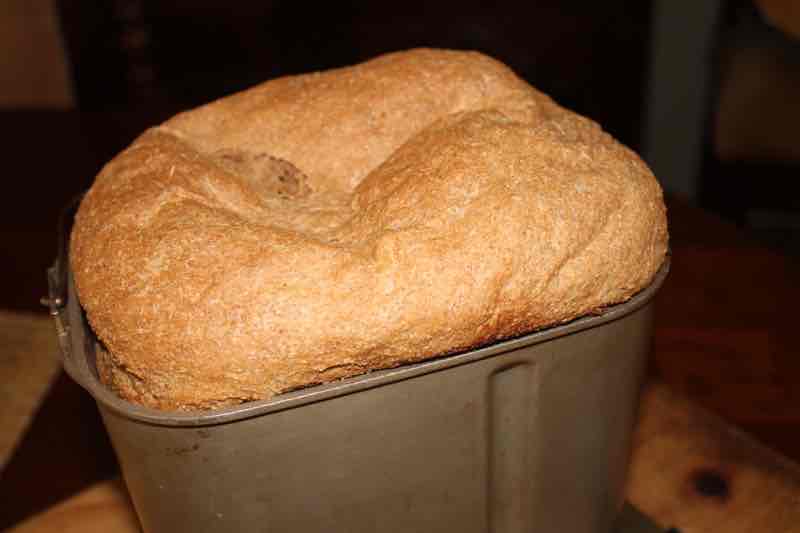 Wholesome sourdough bread for the gluten intolerant
To date more than 500 medical students have completed the elective; the challenge now is to make it part of the required curriculum. Currently there are no mandatory courses on nutrition in the German medical curriculum.
One could see this as rediscovery of Medicine’s roots in Hippocrates. “Let your food be your medicine, and medicine your food.”
The material expressed on this page is gleaned from the nutritional and environmental literature; it is clearly referenced. A plain distinction is made between the author's opinion and that which is scientifically proven. When in doubt consult your health professional.
To suggest a correction or clarification, write to Dr Bernard Preston here. Contact.
Our Green Home
Those who read this column at Our Green Home will know that this closely parallels my own experience. Whilst I certainly had some basic courses in nutrition in my own curriculum so that I knew about essential amino acids, simple and complex carbohydrates and cholesterol there was little teaching on how to turn this into practical patient advice.
And in any case in the 45 years since I completed my formal studies, knowledge about nutrition has exploded onto the world healthcare scene. Not without its controversies, of course, worst of which was the McGovern Select Committee on Nutrition around 50 years ago. It directed Americans away from animal fats that give satiety and towards refined carbs; it was from then that obesity and type-2 diabetes really took off.
Since then Americans have been constantly hungry; and snacking.
“Recipes that illustrate therapeutic nutrition principles for specific conditions,” is core to Culinary Medicine. It mirrors my own personal journey. For example, my own severe debilitating constipation from childhood led me into experimenting with dishes like borscht, salads and whole grains. I now describe beetroot as “God’s Gift to the Lazy Colon;" it is all about fibre.
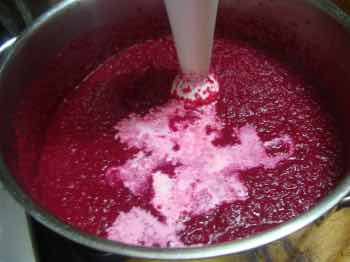
Developing specific recipes
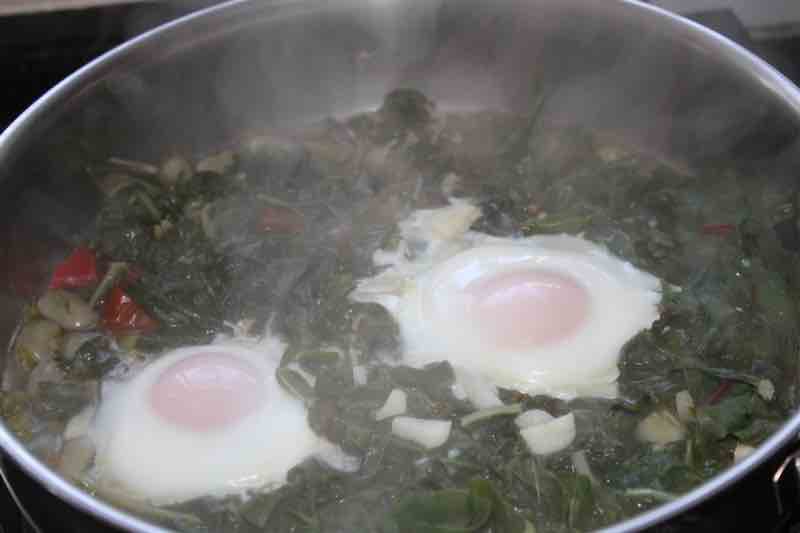 Note the broad beans, rich in L-dopa
Our delicious “Eggs Parkinson’s Disease,” in the tradition of Eggs Florentine of course, was developed after reading the research that broad beans contain pharmaceutical amounts of L-dopa; enough I happily discovered to completely control the disquieting tremor in my own right hand. Prior to that enjoying a bowl of soup in front of guests was an embarrassment. And that of course led on to how to grow these amazing legumes, completely unavailable from the green grocer.
Specific recipes for common medical conditions, of course, should be just the first step in the development of a new generation of doctors putting greater emphasis on prevention; and equally specific exercises.
For me it was my own severe prolapsed lumbar disc that led me to develop a simple set of exercises; done daily before arising from bed they have transformed the health of my own back; and my practice. Spinal pain is the third greatest user of medical aid funds after cardiovascular disease and cancer.
Ketogenic diets
But probably the greatest challenge facing modern medicine today is obesity and the consequent insulin resistance. In my own instance it was the shock discovery that my own blood glucose was quite seriously raised that led me to study the plethora of research. It was such an encouraging day when I got the results back for the A1c test, completely normal. And six months later that I could once again remember my own cellphone number, something lost for ten long years. Sugar, diabetes and dementia are common bedfellows.
Prof Tim Noakes of course had started something very similar right here in South Africa, not that I am entirely supportive of Banting; both he and his father were diabetic. And he has developed a whole series of courses for doctors in the field wanting practical ways of dealing with obesity and the allied consequences.
The Modified Banting Diet allows for small helpings of true whole grain and legumes despite their carbohydrate content. Low GI carbs are encouraged so that the completely new way of eating is sustainable for life.
The Cancer Society recommends a whole grain and a legume at every meal, admittedly something that almost nobody does. But avoiding them both entirely to lose weight is a recipe for something far worse than obesity.
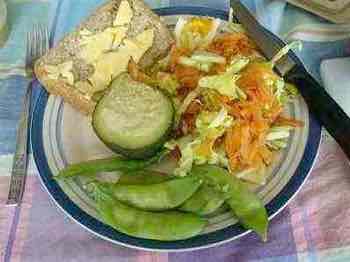 Hummus, avocado and artisan bread
Sourdough bread for the Coeliac
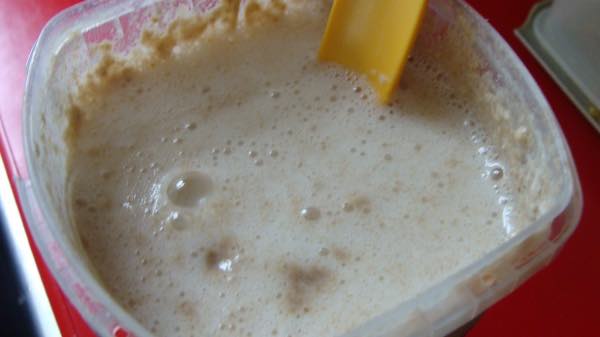
Coeliac Disease is a fairly rare condition, less than one in a hundred people who are extremely intolerant of gluten, the protein in wheat and certain other grains.
Culinary Medicine has developed a sourdough bread that many of those suffering from Coeliac Disease can enjoy; a bacterial culture is added to the flour, predigesting the gluten into individual amino acids even before it is baked.
Holism
There is of course nothing new about doctors using their own diseases and bodies as the inspiration for their experiments. One of the most remarkable was a Dr William Castle who did pioneering work on an up till then fatal disease called Pernicious Anaemia. It was he who finally proved that a factor secreted in the stomach was absolutely essential for the absorption of vitamin B12 from our food.
By giving meat regurgitated from his own stomach that contained his own Intrinsic Factor to his patients dying of PA, he was able to completely ameliorate their disease.
This is all part and parcel of what is known as holism. There is clearly a desire by both doctors and their patients for professionals who are able to perceive the sick as something more than a bladder or a spine. It does mean practitioners willing to take more time with those who are ill and accept reduced income; those who can grasp that sometimes ”less is more.”
Counselling about lifestyle is time-consuming, stressful and difficult for both patients and doctors.
Culinary medicine takes off in Germany
Culinary medicine takes off in Germany via self-learning modules.
From the journals
When browsing use right click and "Open Link in New Tab" or you may get a bad gateway signal.
Newsletter
Our newsletter is entitled "create a cyan zone" at your home, preserving both yourself and Mother Earth for future generations; and the family too, of course. We promise not to spam you with daily emails promoting various products. You may get an occasional nudge to buy one of my books.
Here are the back issues.
- Lifestyle and ideal body weight
- What are ultra-processed foods?
- Investing in long-term health
- Diseases from plastic exposure
- Intensive lifestyle management for obesity has limited value
- A world largely devoid of Parkinson's Disease
- The impact of friendly bacteria in the tum on the prevention of cancer
- There's a hole in the bucket
- Everyone is talking about weight loss drugs
- Pull the sweet tooth
- If you suffer from heartburn plant a susu
- Refined maize meal and stunting
- Should agriculture and industry get priority for water and electricity?
- Nature is calling
- Mill your own flour
- Bake your own sourdough bread
- Microplastics from our water
- Alternative types of water storage
- Wear your clothes out
- Comfort foods
- Create a bee-friendly environment
- Go to bed slightly hungry
- Keep bees
- Blue zone folk are religious
- Reduce plastic waste
- Family is important
- What can go in compost?
- Grow broad beans for longevity
- Harvest and store sunshine
- Blue zone exercise
- Harvest and store your rainwater
- Create a cyan zone at your home
Did you find this page interesting? How about forwarding it to a friendly book or food junkie? Better still, a social media tick would help.
- Homepage
- A sound and blameless body
- Culinary Medicine Takes Off in Germany
Address:
56 Groenekloof Rd,
Hilton, KZN
South Africa
Website:
https://www.bernard-preston.com