- Homepage
- Keep your plate colourful
- Let's talk about hunger
- An Affordable Healthy Diet
An affordable healthy diet
An affordable healthy diet is a complex and varied matter. And so it should be; quite different for the vegetarians and carnivores amongst us. Massive inflationary rises of diesel, electricity and water prices must be considered too. Are there alternatives?
As we are all different so we make alternative lifestyle choices, including what we eat. Some are vegetarians, most love their steaks and yet others choose fish or fowl.
Many are banting and it’s said that nearly a half of Americans are trying to lose weight, going on crazy diets that cost billions of dollars, yet after a year only 5% have actually lost and many have put on. It is probably little different in South Africa.
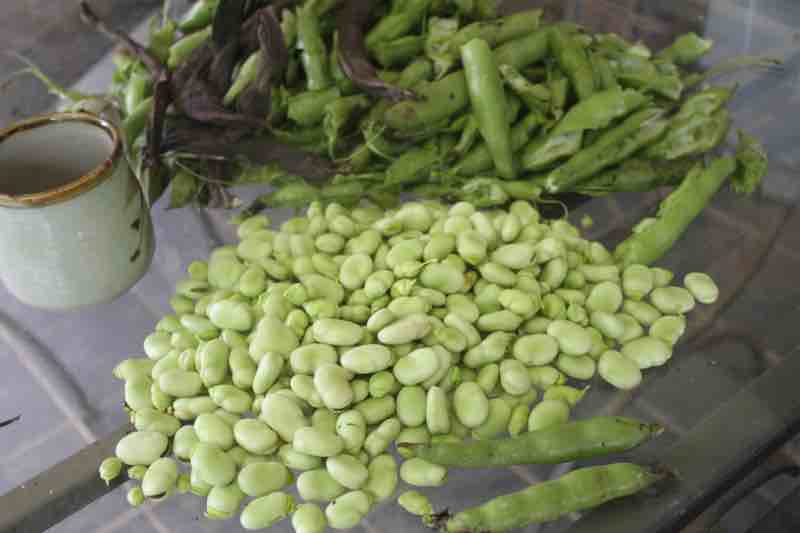 No inflationary costs of our own hard labour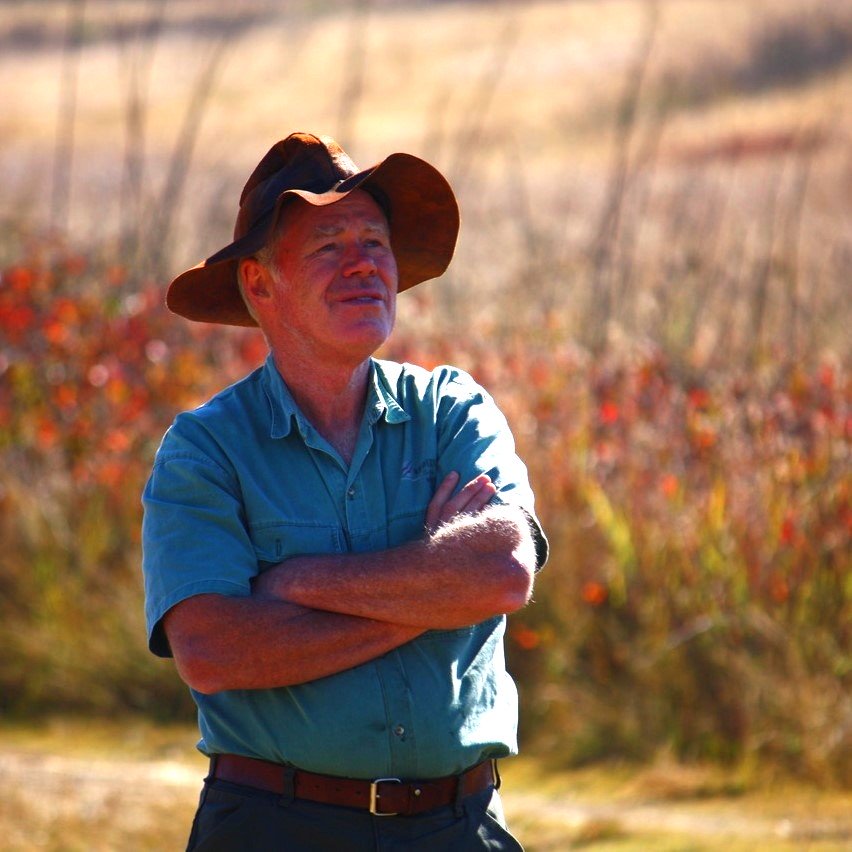
Yet two factors I think we would all agree is that our diets should be healthy, we really don’t like being sick and do still do believe that prevention is better than a cure; and in an increasingly pressured world, affordable.
The price of electricity, water and now diesel for the farmer and transport to markets is placing great financial strain on us all.
But when it comes to healthy food alas is where everything becomes far more difficult and so often we cannot see the wood for the trees. The much beloved Thirteenth Century mystic, Francis of Assisi described his body as Brother Ass; lovable, useful but incredibly stubborn. Few would disagree; but we do at least claim the desire to be healthy.
So let’s consider some fundamentals in our search for an affordable healthy diet.
Affordable protein
It is beyond debate that we all need adequate protein, more in childhood and the elderly, rather less in the middle years.
Thankfully the protein-phobia diets have long gone.
Protein is made up of around 20 amino acids, 9 of which are considered “essential.” Our bodies are unable to manufacture them, so we must get them from dietary sources, preferably daily. Otherwise our bodies and minds become seriously stunted; as in kwashiorkor.
Omnivores have no problem; meat, dairy and fowl contain all the essential amino acids; and fish too.
Vegetarians can live perfectly healthy lives but they do have to take great care to get the balance of legumes, grains and seeds correct; and nuts.
In fact the carefully managed vegetarian diet is both healthier and more affordable; beans and peas have zero cholesterol and are much cheaper than meat, eggs and cheese.
Healthy fats
Lipids too are absolutely essential and the subject is just as complex. The brain is 60% fat.
Each nerve is covered with a vitally important fatty "myelin" sheath that enables it to conduct impulses.
Limiting fats also needs to be carefully and mindfully done; foolishly and the prevalence of the "demyelinating" neurogenerative diseases like MS goes into orbit.
But isn’t it true that fats are what make us obese? No, that is a gross oversimplification.
Where there is broad agreement is that the fruit fats, from principally the olive and avocado are extremely nutritious and within reason we can and should eat them liberally.
There is also broad general agreement that the modern “industrial” diet is loaded with far too much seed oil (principally Omega-6) because it is cheap and not enough from fish, flax and certain plants.
These are rich in omega-3; it's the ratio of six to three that is important.
The olive and avocado (mainly Omega-9) and fish oils are far more expensive than those from sunflower, corn and soybeans.
There is also broad general agreement that we should eat less animal fat from meat and dairy products but not to be too anxious about that in eggs.
Nutritious carbs
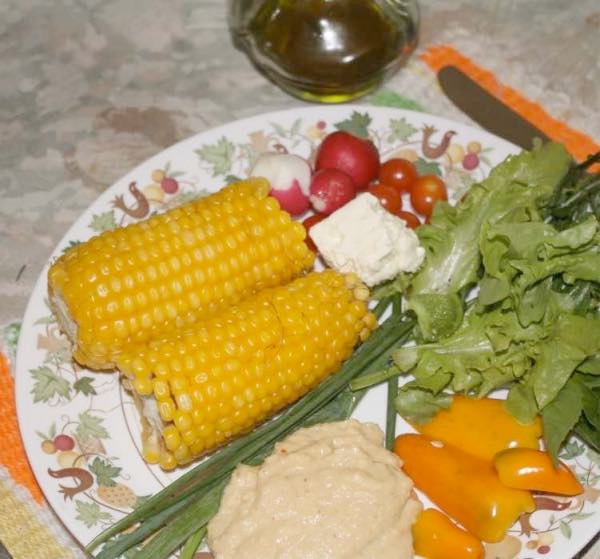
Carbs is where the real difficulty begins because except for corn on the cob, green mealies and brown rice they are ultra-processed. Wholesome, affordable starches are almost impossible to obtain; consequently all the keto diets throw the baby out with the bathwater.
Unprocessed carbs contain many extremely important nutrients that are difficult to get any other way. Two examples but there are many others, are vitamin E (they body’s natural anticoagulant) and the lignans that do so much to help prevent cancer.
It’s these ultra-processed carbs rather than excess dietary fat that make us obese.
There is only one completely affordable for all, yet costly solution and that is to grow your own maize and potatoes in the summer. The sweat off your brow as you dig, plant and harvest is too high a price to pay for the majority. So the keto diets recommend avoiding them altogether; but then you run great risk of thrombotic and malignant disease.
The second option, affordable in the long run is to purchase a small mill for around R8,000; find a farmer who will sell you maize and wheat directly. If you want affordable and healthy carbs daily you can amortise the cost over one or two years; another huge gain is that having tasted true wholegrain bread and unrefined grits porridge you’ll never go back.
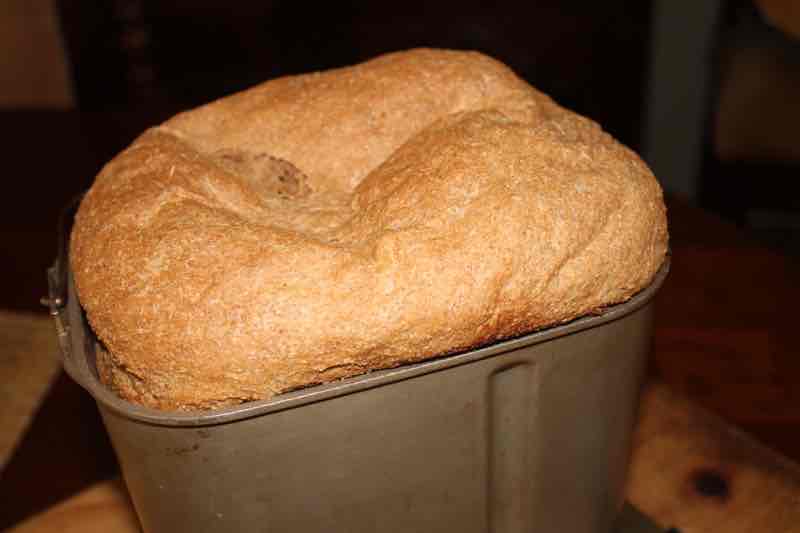 Affordable and healthy sourdough bread
Plant nutrients and fibre
Unprocessed foods contain the phytonutrients and fibre that our bodies crave. Vitamin E and lignans were mentioned above but there are literally thousands of others, about 300 well-researched but the allure of the others unknown.
What is proven is that those who eat seven or more coloured foods daily have 35% less all-cause of death.
Lutein is one; it is found mainly in dark-green leafy vegetables. A deficiency of this carotene is the prime cause of macular degeneration, cataracts and glaucoma in the elderly; research suggests that 5 million Americans are needlessly blind and many more are partially sighted because of low levels of this important phytochemicals and another called zeaxanthin, simply because of an aversion to fruits and veggies rich in these nutrients[1]. Kale tops the list.
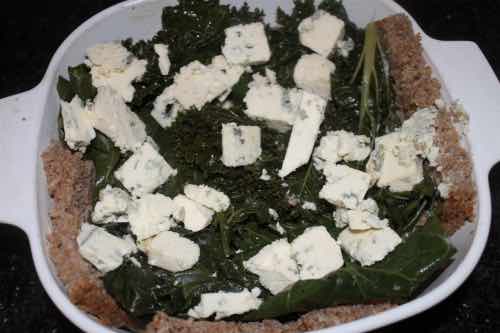 Cooked imaginatively, kale is affordable and healthy.
Growing our own food
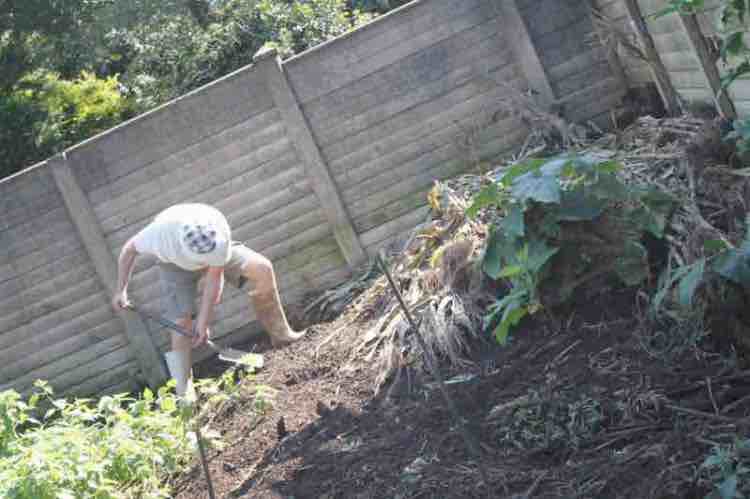 The compost pile brings an affordable and healthy diet; and good exercise.
The only way to enjoy the protection that an affordable and healthy diet provides against chronic disease, unless you have a lot of money, is to start gardening; dig or die. Then you will know for sure whether the spinach and strawberries on your plate, the two most poisoned foods in America and probably here in SA too, are free of toxic chemicals; and whether they have been grown in healthy organic soil that provides the great many minerals and nutrients that plants just like us need. Farmers generally are only able to replace nitrogen, phosphorus and potassium.
Soon you will find that growing food, as one wag put it, is like printing your own money. The direct savings are simply enormous be it a lemon tree, a bucketful of peppers or the queen of legumes, the broad bean that you will never find in a grocery store.
Keep a few beehives, plant an avocado tree and start building compost heaps. Simply escaping from what is the world’s deadliest pandemic, a deficiency of sunshine, vitamin D and getting your exercise by “digging for dignity” as the Brits called it during WW2 makes it all so worthwhile.
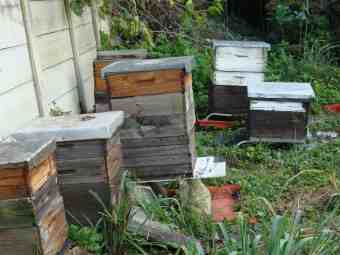
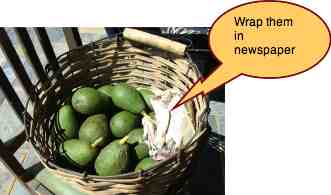
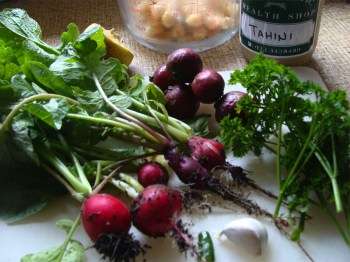
Start now in spring by planting a few rows of green beans, spinach and radishes; and a citrus tree. Is it not astonishing that a lemon tree we planted nearly fifty years ago has faithfully supplied us with over R50,000 of fruit at today’s prices? Once again this winter it was loaded with fruit.
Gardeners just smile when others start talking about hunger.
Organic farmers’ markets
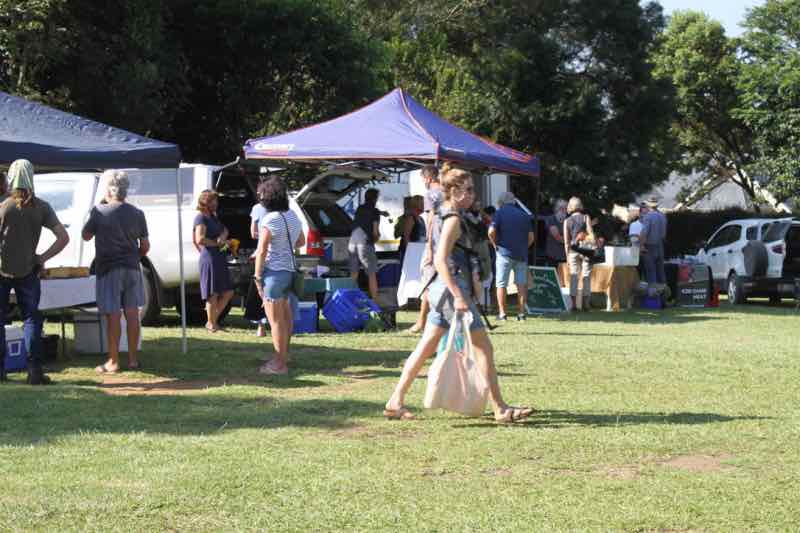
There are farmers’ markets where you can actually talk to the boer and find out what is his or her philosophy and under what conditions they grow their food. Most folk couldn’t be bothered; they like the one-stop grocery store.
The food is usually harvested on the day you purchase it.
An affordable, healthy diet is something we all dream of but Brother Ass alas would rather watch sport on television, scour the social media and watch delectable films. We live and die by the choices we make.
The material expressed on this page is gleaned from the nutritional and environmental literature; it is clearly referenced. A plain distinction is made between the author's opinion and that which is scientifically proven. When in doubt consult your health professional.
To suggest a correction or clarification, write to Dr Bernard Preston here. Contact.
An affordable healthy diet
An affordable healthy diet may mean growing some of your own food. Commercial agriculture, milling and grocery stores in general are more concerned with profit than our wellness.
From the journal
When browsing use right click and "Open Link in New Tab" or you may get a bad gateway signal.
Newsletter
Our newsletter is entitled "create a cyan zone" at your home, preserving both yourself and Mother Earth for future generations; and the family too, of course. We promise not to spam you with daily emails promoting various products. You may get an occasional nudge to buy one of my books.
Here are the back issues.
- Lifestyle and ideal body weight
- What are ultra-processed foods?
- Investing in long-term health
- Diseases from plastic exposure
- Intensive lifestyle management for obesity has limited value
- A world largely devoid of Parkinson's Disease
- The impact of friendly bacteria in the tum on the prevention of cancer
- There's a hole in the bucket
- Everyone is talking about weight loss drugs
- Pull the sweet tooth
- If you suffer from heartburn plant a susu
- Refined maize meal and stunting
- Should agriculture and industry get priority for water and electricity?
- Nature is calling
- Mill your own flour
- Bake your own sourdough bread
- Microplastics from our water
- Alternative types of water storage
- Wear your clothes out
- Comfort foods
- Create a bee-friendly environment
- Go to bed slightly hungry
- Keep bees
- Blue zone folk are religious
- Reduce plastic waste
- Family is important
- What can go in compost?
- Grow broad beans for longevity
- Harvest and store sunshine
- Blue zone exercise
- Harvest and store your rainwater
- Create a cyan zone at your home
Did you find this page interesting? How about forwarding it to a friendly book or food junkie? Better still, a social media tick would help.
- Homepage
- Keep your plate colourful
- Let's talk about hunger
- An Affordable Healthy Diet
Address:
56 Groenekloof Rd,
Hilton, KZN
South Africa
Website:
https://www.bernard-preston.com